Allergy Symptoms Icd-10 Codes: Everything You Need To Know For Accurate Medical Coding
Navigating allergy symptoms and their corresponding ICD-10 codes can feel overwhelming, whether you are a healthcare provider, medical coder, or a patient trying to understand your diagnosis paperwork. In Asian medical culture, we believe that knowledge is the foundation of good health management — and understanding how allergy symptoms are classified under the International Classification of Diseases, 10th Revision (ICD-10) system is a practical step toward better care. This guide walks you through the most common questions aboutergy symptoms and their ICD-10 codes in a clear, organized way.
What Is an ICD-10 Code and Why Does It Matter for Allergy Symptoms?
The ICD-10 is a globally recognized system developed by the World Health Organization (WHO) for classifying diseases, conditions, and symptoms. For allergy symptoms specifically, these codes are used by doctors, hospitals, and insurance companies to document diagnoses accurately. When patient presents with sneezing, hives, oraphylaxis, the provider assigns specific ICD-10 code that reflects the nature and cause of the allergic reaction. This ensures proper billing continuity of care, and accurate health records Without correct coding, insurance claims may be denied, and treatment histories may become unclear. In essence, these codes serve as a universal language that bridges communication across healthcare systems worldwideWhat Is General ICD-10 Code for Allergic Rhinitis?
Allergic rhinitis, commonly known as hay fever, is one of the most frequently codedergy conditions. The primary ICD-10 codes for this condition fall under the J30 category For example, J30.1 refers to allergic rhinitis due to pollen, while J30.2 covers other seasonal allergic rhinitis. J30.9 is used when the cause is unspecified. Patients with allergic rhinitis often experience nasal congestion, runny nose, sneezing, and itchy eyes. Choosing the correct subcategory code is important because it helps providers track triggers and plan more targeted approaches such as allergen-specific immunotherapy or antihistamine prescriptions.
What Used for Food Allergy Symptoms?
Food allergies are coded under the L27 and T78 categories in ICD-10, depending on the presentation. L27.2 is used for dermatitis due to ingested food, while T78.1XXA covers adverse food reactions not elsewhere classified. For anaphylaxis caused by food, the code T78.00XA through T78.09A is used, specifying the food type such as peanuts, milk, eggs, or shellfish. In many Asian communities, seafood and shellfish allergies are particularly common and should be carefully documented using appropriate subcodes Symptoms can range from mild stomach discomfort and hives to severe anaphylactic shock, so detailed is critical for emergency care documentationHow Are Skinergy Symptoms Coded in ICD-10?
Skin-related allergy symptoms are among the most diverse ICD-10 system. Allergic contact dermatitis is classified under the L23 code range, where specific subcodes indicate the causative substance for example, L23.0 for allergy to metals like nickel, L23.5ergy to other chemical products. Urticaria, or hives, falls under L50, with L50.0 representing allergic urticaria and L50.9 for unspecified urticaria. Atopic dermatitis, a chronic inflammatory skin condition strongly linked to allergies, is coded under L20 Accurate skinergy coding helps dermatologists andists track's exposure history and monitor whether plans as topical steroids or biologics are effective over time.
What Is the ICD-10 Code for Anaphylaxis?
Anaphylaxis is a life-threatening allergic reaction that requires immediate medical attention. In ICD-10, anaphylaxis is primarily coded under T78.2, which refers to anaphylactic unspecified. More codes exist based on the trigger for instance, T78.00XA is for anaphylaxis due to unspecified food, T80.52A covers anaphylaxis due to vaccination, and T88.6XXA is used for anaphylactic shock due to an drug reaction. The 7th character in these codes often indicates the encounter type: "A" for initial encounter, "D" for subsequent encounter, and "S" for sequela. Proper coding of anaphylaxis supports emergency response documentation and helps identify patterns in allergy-related hospitalizations across populationsAre There Specific ICD-10 Codes for Drug2>
Yes, drug allergy symptoms have their own set of ICD-10 codes. Adverse effects of drugs including allergic reactions, are typically coded using T36–T50 drug classifications combined with a6th or 7th character to specify the nature of the reaction. For allergticaria caused by medication, L50.0 may be coded alongside drug adverse effect code. Z88codes are used to document's allergy status to various drugs for example, Z88.0 for allergy to penicillin and Z88.1 for allergy to other antibiotic agents. These history especially useful during pre-operative assessments or when a new medication is being prescribed helping clinicians avoid potentially dangerous drug interactions.
How Respiratory Allergy Symptoms Like Asthma Coded?
Allergic asthma is coded under J45 in ICD-10. J45.20 through J45.21 cover mild intermittent asthma, while J45.30 through J45.31 address mild persistent asthma. Moderate severe persistent asthma have their own subcategories under J45.4 and J45.5. When asthma is clearly identified asic in origin, the J45.901 to J45.991 codes reflect the allergic component. Respiratoryergy symptoms such as wheezing, shortness of breath, and chest tightness need to be carefully documented alongside the severity frequency of episodes. In Asian populations, environmental allergens like dust mites, mold, and air pollution are commonly documented triggers that influence which is most appropriate.
WhatCD-10 Codes Apply to Eye2>
Allergic eye as allergic conjunctivitis, fall under the H10code range. H10.10 used for acute atopic conjunctivitis, unspecified eye while H10.11 H10.12 specify the right left eyes respectively. H10.13 covers bilateral acute atopic conjunctivitis. allergic conjunctivitis, H10.40 through H10.43 are the appropriate codes. Patients with eyeergy symptoms often report itching, redness, tearing, and swollen eyelids. These codes are frequently used by ophthalmologists and allergists, proper documentation helps distinguishic conjunctivitis from other types as viral or bacterial, ensuring right treatment — typically antihistamine eye drops or mast cell stabilizers — is prescribed and covered by insurance.
Can Patient Have Multipleergy ICD-10 Codes at Once?
Absolutely this is quite common in clinical practice. A patient may present with allergic rhinitis,ic conjunctivitis, and atopic dermatitis simultaneously each requiring its own ICD-10 code. Medical coders are encouraged to list all relevant codes that reflect the full clinical picture of the patient's condition at visit. The order which codes are listed matters well; principal diagnosis or primary reason for the visit is typically listed first, followed by secondary comorbid conditions. For patients managing multiple allergy conditions — situation very familiar Asian households where environmental, and seasonalies often overlap — comprehensive ensures all aspects of care are accurately captured and reimbursed by insurance providers....Jual Sock Las Drat Dalam Sok Carbon Steel Socket 1/2 Inch | Shopee
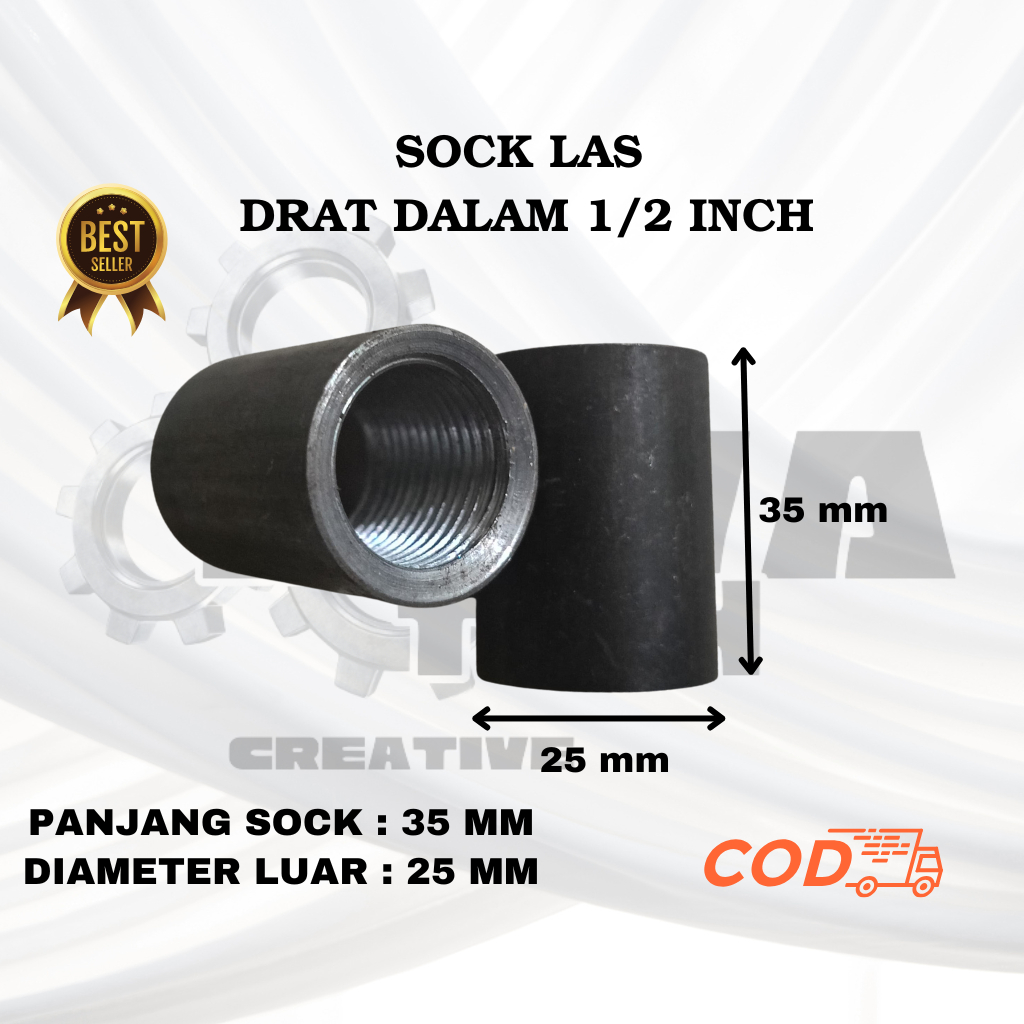
Jual Sock Las Drat Dalam Sok Carbon Steel Socket 1/2 Inch | Shopee ...
Jual Westpex Sok / Socket Drat Luar PPR 1 1/2 Inch ( S50x3/2M
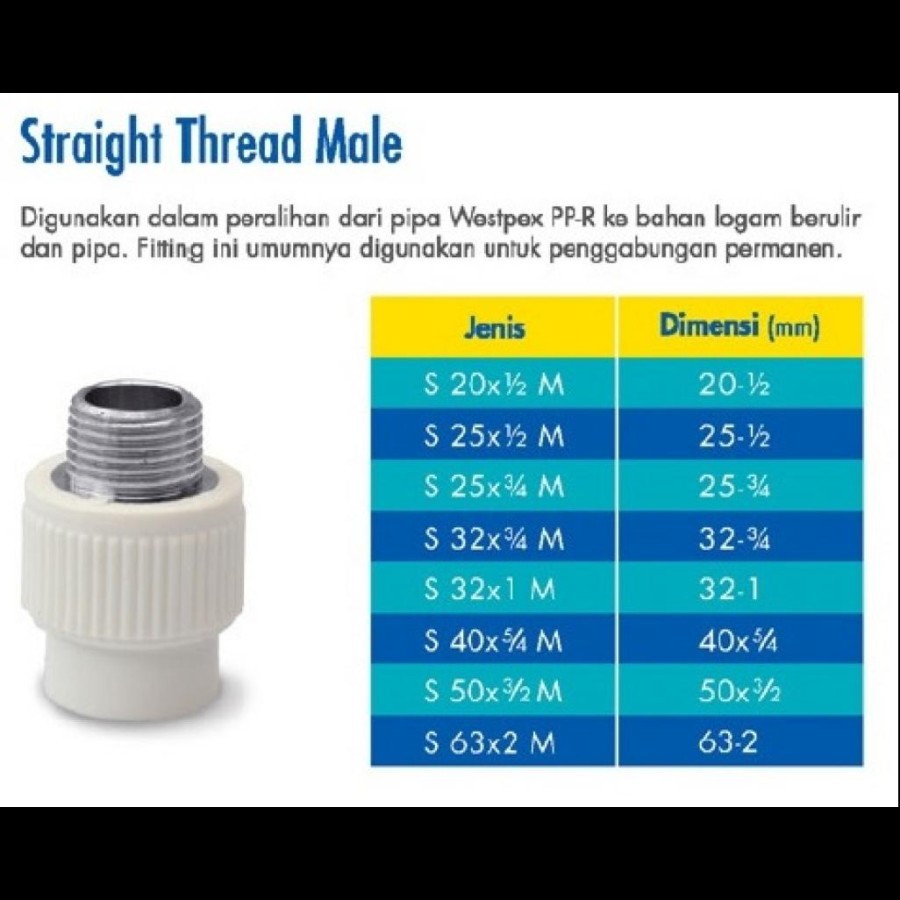
Jual Westpex Sok / Socket Drat Luar PPR 1 1/2 inch ( S50x3/2M ...
Jual Sok Drat Dalam 2 Inch Besi | Sock Drat Galvanis - Jakarta Barat
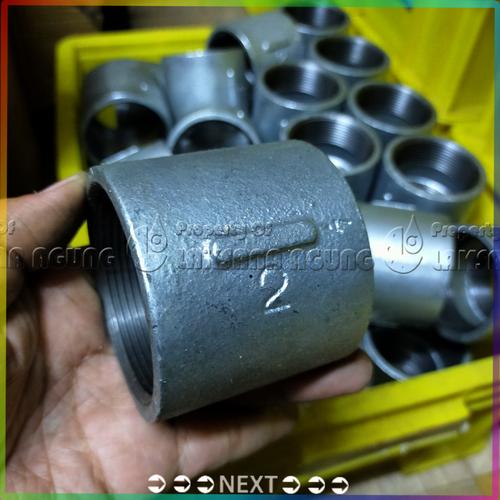
Jual Sok drat dalam 2 inch Besi | Sock Drat Galvanis - Jakarta Barat ...