Anxiety During Menopause: Your Questions Answered — What Every Woman Needs To Know
Menopause is already a lot to navigate. Add anxiety into the mix and it can feel like your mind and body are working against you at the same time. The connection between menopause and anxiety is real, it's common, and it's still widely misunderstood. If you've been feeling more on edge, restless, or overwhelmed than usual, you're not alone — and you're not losing your mind. Here's a straight-up breakdown of what's actually happening and what you can do about it.
What Does Anxiety Actually Feel Like During Menopause?
Menopausal anxiety doesn't always look like a panic attack. For many women, it shows up as a persistent low-grade dread that's hard to name. You might feel constantly edge, irritable for no clear reason, or unable to switch your brain off at night. Physical symptoms are also common — a racing heart, tight chest, shallow breathing, muscle tension, and that wiredbut-exhausted feeling that follows you through the day. Some women describe it as a sense of impending doom with nothing specific to point to. It's unsettling precisely because it doesn have an obvious trigger.
Why Does Menopause Cause Anxiety?
The short answer is hormones — specifically estrogen and progesterone, both of which drop significantly during perimenopause and menopause. Estrogen plays a direct role in regulating serotonin and other neurotransmitters that influence mood and stress response. When estrogen fluctuates or declines, your brain's ability to manage is genuinely compromised at biological level. Progesterone has natural calming properties, so losing that buffer makes nervous system more reactive. This isn't a personality change. It's a hormonal shift with measurable neurological effects.
Is Anxiety During Menopause Different From Regular Disorder?
It look identical the surface, but the context matters. Menopausal anxiety is primarily driven by hormonal changes rather than a pre-existing mental health condition, though it can absolutely worsen one if you already have it. The timing usually clearest signal — if anxiety ramped up alongside other menopausal symptoms like irregular periods, hot flashes, or sleep disruption, the hormonal connection is likely That said, the distinction't always clean. Some women are experiencing clinical anxiety disorder menopause simply brought to the surface. A proper evaluation from a healthcare provider helps separate two so treatment targetedCan Hot Flashes Make Anxiety Worse?
Yes, and the relationship runs both ways. Hot flashes trigger sudden surge of adrenaline that physically mimics anxiety — racing heart, sweating, a wave of heat, that jolt of alertness. Your system reads this as a threat response When hot flashes happen at night, they disrupt sleep, and chronic sleep deprivation is one of the most reliable ways amplify anxiety. The cycle is brutal:ones cause flashes, hot flashes wreck sleep, poor sleep raises cortisol, elevated cortisol feeds anxiety, and anxiety makes the whole system reactive. Breaking any point in that loop help bring the overall intensity down.
How Sleep Disruption Connect to Menopausal Anxiety?
Sleep is essentially brain's overnight maintenance window. When menopause disrupts sleep — through night sweats, insomnia, or frequentaking — that doesn't happen properly. The prefrontal cortex, which handles rational thinking and emotional regulation, is particularly vulnerable to sleep loss amygdala, your brain's threatdetection center, becomes overactive. The result is everything feels urgent, more threatening harder to manage in proportion. Women dealing with menopausal anxiety almost always report significant sleep problems, and addressing quality is often one of the fastest ways to take edge off anxiety levelsWhat Physical Symptoms of Menopause Get Mistaken for Anxiety?
Several Heart palpitations are one of the most common — women them for the first time often fear cardiac event, which then triggers a real response on top of the hormonal one. Dizziness,ness of breath, and chest tightness are also frequentnopausal symptoms that can easily be misread as anxiety or panic. Conversely, some women attribute symptoms to physical causes miss the anxiety component entirely. The overlap is significant enough that a thorough medical workup is worth doing Ruling out thyroid issues and first gives you a clearer picture of what's actually driving the symptoms.
What Are the Most Effective Treatments for Menopausal Anxiety>Treatment depends on the severity underlying cause, but several approaches have solid evidence behind them. Hormone replacement therapy (HRT) addresses the rootonal driver has been shown to reduce anxiety in perimenopausal and menopausal women, particularly when anxiety is tied closely to other menopausal symptoms. Cognitive behavioral therapy (CBT) is effective for reshaping anxiety patterns regardless of their origin. SSRIs and SNRIs are options for moderate to severe anxiety, especially where HRT isn't suitable. Lifestyle interventions — regular aerobic exercise, a consistent sleep routine, reducing caffeine and alcohol — aren't flashy but they move the needle inurable ways. Most women benefit from a combination approach rather single fixWhen Should You Talk to a Doctor About Anxiety During Menopause?
If is disrupting your daily life, your, your relationships, or your sleep on a regular basis, that's a clear signal to get professional opinion. Don't wait until you're in crisis. The earlier you address it, the more you have and the faster relief tends to come should also see a doctor promptly if you're experiencing panic attacks, thoughts of self-harm, or symptoms that could indicate a cardiac or thyroid issue. Bring a timeline your appointment — noting when symptoms started relative to your menstrual cycle changes provider useful information for making an accurate assessment.
Does Eventually Go Away After>
For many women, anxiety does ease once hormone levels stabilize in postmenopause. The perimenopause phase whenones are fluctuating most dramatically — is typically the most intense period Oncerogen and progesterone settle their lowermenopausal baseline, theonal volatility that feeds anxiety decreases. That said, it's not automatic universal who developed anxiety habits thought patterns during menopause may find those patterns persist without intervention. Others discoveropause uncovered a pre-existing anxiety vulnerability that benefits from ongoing management The goal isn't just to outlast it it's to have right support in place so you come it with your quality of life intact.
Are There Any Natural Approaches Actually Help?
Some do have evidence, effect sizes vary. Regular physical exercise is consistently of the strongest interventions for both and menopausal symptoms — it regulates cortisol, improves sleep, and has direct mood-stabilizing effects. Mindfulness-based stress reduction (MBSR) has demonstrated meaningful results for menopausal anxiety in studies. Magnesium glycinate is commonly used and reduce nervous system reactivity, and while research is still building, many women report noticeable improvement. Black cohosh is one of the more studied herbal options for menopausal symptoms broadly, though its impact on anxiety is less clear. Phytoestrogens from dietary sources like soy may offer modestonal support for some women. These approaches work best as part of a broader strategy, not as standalone replacements for medical treatment when is severe.
...에스에이티
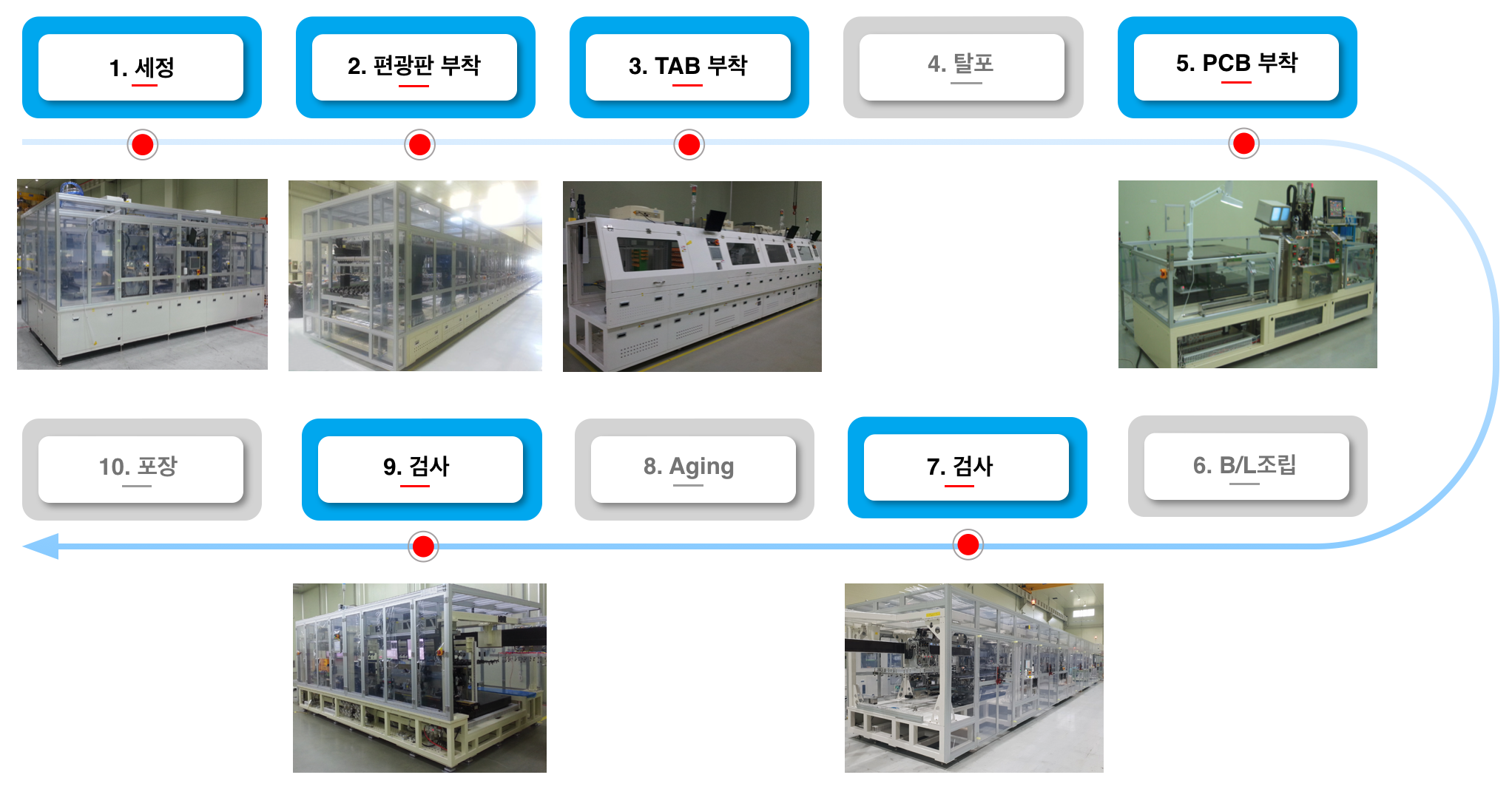
에스에이티
에스에이티
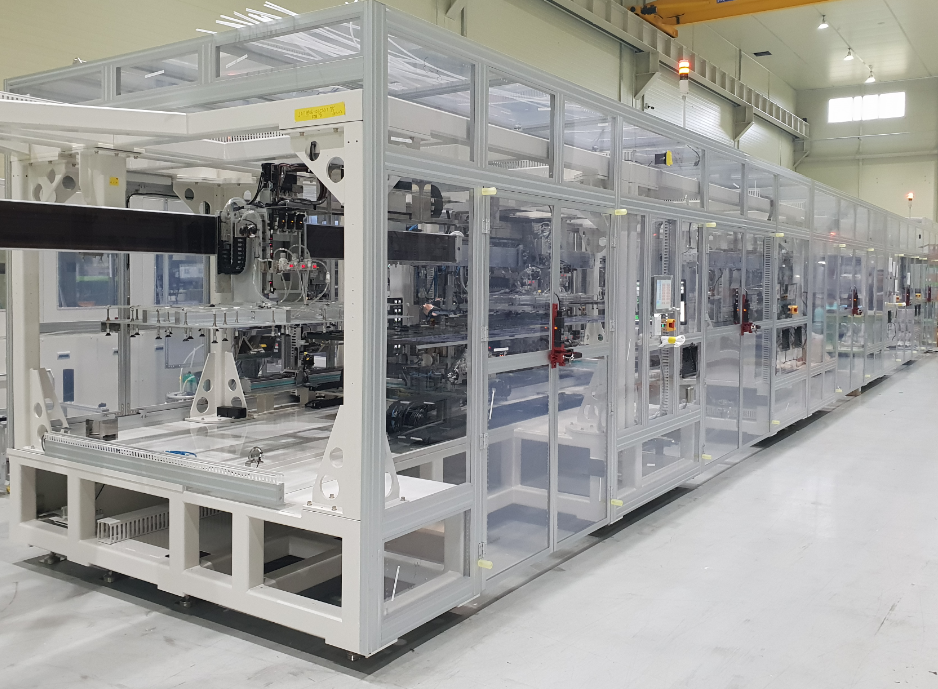
에스에이티
에스에프에이, 디스플레이 전공정 장비사업 새 성장 모색 - 전자신문

에스에프에이, 디스플레이 전공정 장비사업 새 성장 모색 - 전자신문