Appendicitis Symptoms And Pain Location: Everything You Need To Know (Faq Guide)
Appendicitis can be a frightening and confusing experience, especially when you are unsure whether that nagging pain in your stomach is something serious or just a passing discomfort. Across Asian communities, there is often a tendency to endure pain quietly attribute symptoms to common digestive issues, which can delay important medical care. This guide walks you through the most frequently asked questions about appendicitis symptoms and pain location, so you can make informed decisions and seek help at the right time.
Where exactly is appendicitis pain located?
Appendicitis pain typically begins around the belly button area, and this is what makes it tricky to identify first. Over the course of several hours, the pain gradually shifts and settles in the lower right side of the abdomen, in a specific area doctors refer to as McBurney's point. This is roughly one-third of the way between the right hip bone and the belly button. The pain in this location tends to be sharp persistent, and worsens when you press on it and then release suddenly. If you notice pain that has moved from the center of your abdomen to the lower right side, strong signal to seek medical attention promptly.How does appendicitis pain feel different from regular stomach aches?
Many people mistake early appendicitis for ordinarydigestion or gas, which is completely understandable. However, appendicitis pain is different in very important way — it does not go away and it progressively gets worse. Regular stomach aches tend to come and go, shift around, or ease up after you pass gas or use the restroom. Appendicitis pain, on the other hand, becomes more intense over time, usually within24 hours. It also to feel worse when you move cough, take deep breaths, or experience any kind of physical jolt. If the pain is steady and escalating, do not wait it out.
Can appendicitis pain feel patients?
Research clinical observations have noted that pain presentation can sometimes vary based on individual physiology, body size, and even how person culturally expresses discomfort. In some Asian patients, particularly those with a smaller leaner frame, the appendix may be positioned slightly differently, which can affect where the pain is felt most intensely. Additionally, in Asian cultures where stoicism and endurance of pain is sometimes valued, symptoms may be downplayed or reported later than ideal. It important to recognize that any lower right abdominal pain deserves medical evaluation regardless of pain tolerance.
What the other symptoms that come with appendicitis pain>Pain just one piece of the picture Appendicitis typically brings along cluster of other symptoms that can help confirm your suspicion. These include nausea and vomiting, loss of appetite, low-grade fever that gradually rise, abdominal bloating, and difficulty passing having a bowel movement. Some people also experience diarrhea or frequent urge to urinate, particularly if the inflamed appendix is pressing against nearby organs. When notice combination of lower right abdominal pain alongside two more of these symptoms, it is time to get hospital without delay.
Is pain location the same for everyone, including children elderly patients?
Not always this is an important point that many people overlook. In young children, especially those under five years old, the pain be more diffuse and spread across the entire abdomen rather than concentrating in the lower right. Children may also have difficulty describing pointing to where hurts, making diagnosis more challenging. In elderly patients, the classic often less pronounced — pain may be milder, fever may be absent, and the overall presentation can be subtle. This is why appendicitis in older adults is often diagnosed a more advanced stage. Whether you are caring for a child or an elderly family member, persistent complaints should never be dismissed as just minor issue.
Can pain temporarily go away even if appendicitis is still present?
Yes, and this is one of the most dangerous misconceptions about appendicitis. Sometimes pain can briefly subside, which might make you think you are recovering However, this temporary relief can actually signal that the appendix hasruptured, which is a medical emergency. When ruptured appendix releases infectious material into the abdominal cavity, it can cause peritonitis — a life-threatening infection of the abdominal lining. If you experienced severeicitis-like pain disappeared, followed by a return spreads across whole abdomen along with a high fever, call emergency services immediately. A brief pause in pain is not a reason to relax.
Are there any lifestyle dietary factors common Asian diets that can mask mimic appendicitis symptoms?
Certain foods common in Asian cuisines — such as spicy dishes, fermented foods, and high-fiber vegetables — can sometimes cause bloating, cramping, anddominal discomfort that feels similar to early appendicitis symptoms. Irritable bowel syndrome, which has significant prevalence in Asian populations, can also produce right quadrant pain that mimics appendicitis. However, the key difference is that food-related or IBS-triggered improves over time, changes with position, or resolves after bowel movement. Appendicitis pain does none of these things. When doubt, it is always safer proper medical examination rather than attributing the pain to last night's dinner.
When should I go to the emergency room for>You should go to the emergency room immediately if you experience the lower right side of your abdomen is worsening over several hours and not improve with rest Other urgent signs include fever above 38°C (100.4°F), repeated vomiting, abdominal rigidity or a hard belly when touched, and pain that spreads across the entire abdomen. Do not eat drink, or take pain medications before getting evaluated as these can complicate both the diagnosis and any potential surgery. In households where home remedies and waiting often the first response illness, it is worth reminding yourself and your family that appendicitis is one condition time is truly critical Early surgical intervention leads to significantly better outcomes compared to waiting until the appendix ruptures.
What happens if appendicitis is left untreated for too long?
Leaving appendicitis untreated is extremely dangerous. As the infection progresses, the appendix fills with pus and pressure builds until it bursts. Aruptured appendix spreads bacteria throughout the abdominal cavity, leading to peritonitis or formation of an abscess, both of which require intensive treatment carry higher risk of complications. Recovery after rupture is significantly longer than after a straightforward appendectomy performed rupture. In some severe cases, the infection can spread to the bloodstream and cause sepsis. Medical literature consistently shows that the risk of rupture increases sharply after36 72 hours from the onset of symptoms. Seeking care is not anreaction — it is the smart responsible choice.
...Semi-Truck Air Intake Kits - Raney's Truck Parts

Semi-Truck Air Intake Kits - Raney's Truck Parts
Optimal Design Of Off-Road Utility Terrain Vehicle Air Filter Intake
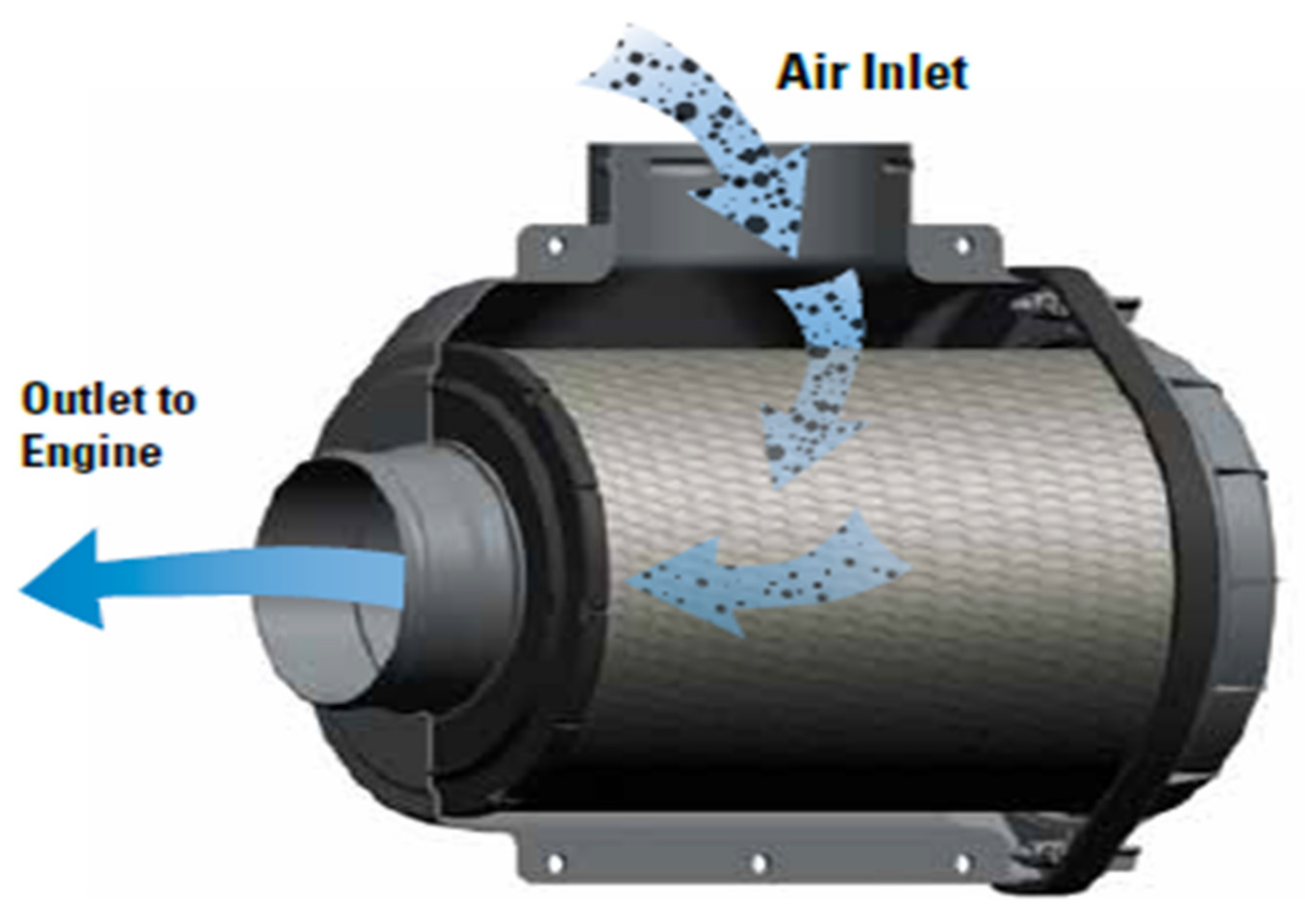
Optimal Design of Off-Road Utility Terrain Vehicle Air Filter Intake
Professional Air Intake Semi Truck 3D Model - Download

Professional Air Intake Semi Truck 3D Model - Download