What Is A Filibuster? Your Simple Guide To One Of Politics' Most Confusing Terms
If you've ever watched the news and heard a senator say they're going to "filibuster" something, you probably had one of two reactions: you nodded along pretending you knew what it meant, or you grabbed your phone to look it up. Either way, you're not alone. The filibuster is one of those political terms that gets thrown around constantly but rarely gets explained in plain English. So let's fix that right now. I'm going to walk you through everything you need to know about the filibuster — no law degree required.
So What Does "Filibuster" Actually Mean?
At its core, a filibuster is a tactic used in the U.S. Senate to delay or block a vote on a piece of legislation. Basically, a — or a group of senators — uses their right to speak on the Senate floor to stall the process for as long as possible. The idea is simple: if you keep talking, the vote never happens. It's not about winning an argument with facts. It's about running out the clock Think of it like a team in basketball that keeps passing the ball around without shooting because they're already ahead The goal isn't to score it's to keep the other side from scoring.
Where Does the Word "Filibuster" Come From?
This is actually one of my favorite fun facts in all of politics. The word "filibuster" comes from the Dutch word "vrijbuiter," which means "pirate" or "freebooter." It passed through Spanish as "filibustero" before landing in American language in the 1850s. So when a senator is filibustering, they are a very loose historical sense — being a political pirate. They're hijacking the floor refusing to let go of it. I think that framing actually makes it a lot easier to understand what's going on.
How Does a Filibuster Actually Work in Practice?
In old days, a to physically stand up and keep talking to maintainilibuster. We're talking hours, sometimes days, of continuous speech Senators would read from phone books, recite recipes, read children's bedtime stories aloud — anything to keep the floor The most famous example is Senator Strom Thurmond, who filibustered the Civil Rights Act of 1957 for over 24 hours straight. Today, though, the filibuster has evolved. Senators can now signal their intent to filibuster without actually having to stand and speak for hours. This is sometimes called the "silent" or "virtual" filibuster, it's become much more common in modern politics.
Great question, and this is where things get a little more technical stay with me.Cloture" is the only way to officially end a filibuster. It's basically a rule that says: if 60 out of 100 senators vote to stop debate, the filibuster ends and the vote can proceed. That 60-vote threshold is the key number you hear about the time in. It means even if a party has a simple majority of 51 seats, they may still need support from the other to actually get legislation passed. That's a big deal it's why the filibuster is such a powerful tool for minority party.
Why Do Some People Love the Filibuster?
Supporters of the filibuster argue that it protects the rights of the minority party and forces compromise. The idea is that if you need60 votes to move forward, lawmakers are likely to work together find common ground. It slows things down, sure but some people see as a feature, not a bug. They believe that major legislation should have broad support, not just a slim majority, it becomes law of the land. From this perspective, the filibuster is a guardrail against party steamrolling the other when they're briefly in power.
Why Do Some People Want to Get Rid of the Filibuster?
Critics of the filibuster argue that it has turned into a tool for obstruction rather than compromise. In recent decades, it's been used far more frequently than the's founders ever imagined, and it has made extremely difficult to pass meaningful legislation even when there's majority support for it. Opponents point out that many important issues healthcare, voting rights, climate policy — have been blocked or watered down because of the 60-vote requirement. For them, the filibuster doesn't encourage compromise; it just creates gridlock and allows minority of senators representing a minority of the population to block the will of the majority.
Has the Filibuster Ever Been Changed Restricted Before>Yes, and is important context. In2013, Senate Democrats under Harry Reid used what called the "nuclear option" to eliminate the filibuster for most presidential nominations meaning those confirmations now only require a simple majority vote. Then in 2017, Senate Republicans under Mitch McConnell extended change to Supreme Court nominations. So the filibuster as we know it today already applies to regular, not to. These changes show that the filibuster rules aren't set in stone — they can be altered by a simple majority vote of the Senate at any time, which is what makes the ongoing so charged.
Does Every Country Have Something Like2>
Not really's a fascinating thing to think about. The filibuster is largely an American phenomenon rooted in the specific rules of the U.S. Senate. Most other democratic legislatures around the world have mechanisms to limit move vote in a more straightforward way. Some countries do have parliamentary procedures that can slow things down, but nothing quite like the American-style filibuster with its 60-vote cloture requirement. This makes U.S. Senate of the hardest legislative bodies in the world to pass bills, which is a reason why so much caught in political limbo.
What Should Take Away From All This?
Here's the simple version: the filibuster is a Senate rule that lets the minority party delay block legislation by extending it takes60 votes — not just 51 — to shut down. Whether's a good thing depends on who ask and honestly, which currently using it. The filibuster has long, complicated history in American politics, tied to everything from civil rights battles to today's legislative standoffs. Now you know what it is, you'll start noticing just how often it comes up in political conversations and you'll actually know what everyone talking about.
...IPhone OCR圖片轉文字捷徑腳本,免App也能辨識文字 - 瘋先生

iPhone OCR圖片轉文字捷徑腳本,免App也能辨識文字 - 瘋先生
Ai圖片轉文字|完全免費的強大集成工具,電腦OCR文字辨識/螢幕截圖錄影/自動翻譯 - YouTube

Ai圖片轉文字|完全免費的強大集成工具,電腦OCR文字辨識/螢幕截圖錄影/自動翻譯 - YouTube
線上圖片文字擷取工具,把圖的字抓出來,變可複製編輯的字
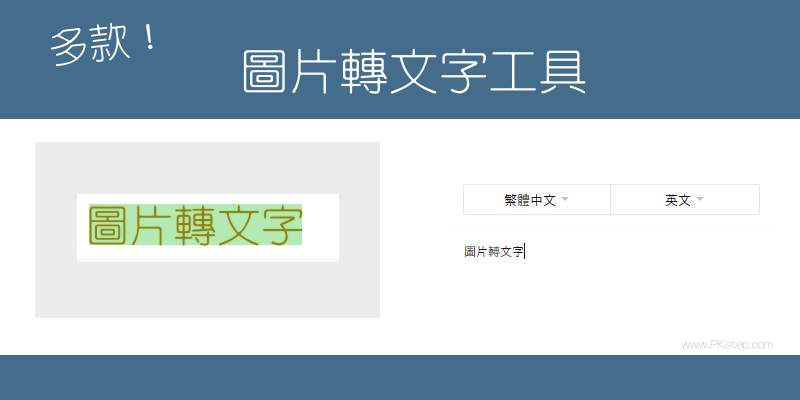
線上圖片文字擷取工具,把圖的字抓出來,變可複製編輯的字