Food Poisoning Symptoms: Your Complete Faq Guide Based On Nhs Guidelines
What Are Most Common Symptoms of Food Poisoning?
According to the NHS, the most common symptoms of food poisoning include nausea, vomiting, stomach cramps, diarrhea, high temperature of 38°C or above, and generally feeling unwell. You may also experience a loss of appetite and fatigue. These symptoms can vary depending on the type of bacteria virus, or toxin that caused the illness. In most cases, the symptoms are uncomfortable but manageable at home with rest and proper hydration. The severity and combination of symptoms often depend on the source of contamination and the overall health of the person affected.
How Soon After Eating Do Food Poisoning Symptoms Start?
The onset of food poisoning symptoms can vary widely depending on what caused the illness. The NHS notes that symptoms can begin as quickly as a few hours after eating contaminated food, or they not appear for several days. For example, Staphylococcus aureus can cause symptoms within one to six hours, while Salmonella typically causes symptoms between 12 and 72 hours after exposure. Listeria can take up to 30 days before symptoms appear. Because of this variation, it can sometimes be difficult to pinpoint exactly which meal food item caused the illness.
How Long Does Food Poisoning Usually Last?
The NHS advises that most cases of food poisoning are mild and resolve on their own within a few days. The majority of people recover within to three days without needing medical treatment. However, some types of food poisoning can last longer. For instance, symptoms by Campylobacter may persist for up to a week or more. If symptoms continue beyond few days, are very severe, or seem getting worse rather than better, it is important to seek medical attention to rule out complications serious infections.
What Are the Signs That Food Poisoning Is Serious?
While food poisoning cases are mild, the NHS highlights certain warning signs that indicate you need urgent medical attention. These include blood in your vomit or diarrhea, drhea that lasts more than three days, signs of severe dehydration such as confusion, a rapid heartbeat, sunken eyes, and very little no urination. A high fever above 38°C that does not go away is also a concern. If a young child, elderly person, pregnant woman, or someone with a weakened immune system develops food poisoning symptoms, medical advice should be sought sooner rather than later, as these groups are at higher risk of serious complications.
What Does Dehydration From Food Poisoning Look Like?Dehydration is one of the main risks associated with food poisoning, especially when both vomiting and diarrhea are present. The NHS identifies several signs of dehydration to watch for, including a dry mouth and lips, feeling unusually thirsty, dark decreased urination, dizziness or lightheadedness, headache, and in serious cases, confusion or rapid breathing. In children, dehydration signs may also include sunken eyes, no tears crying, and unusual lethargy. Staying hydrated by sipping water or oral rehydration solutions regularly is one of the most important steps in recovering from food poisoning.
Should I Eat Drink Anything While Recovering From>
The NHS recommends keeping up with fluids as first priority during poisoning recovery. Water clear broth, and oral are all good options for staying hydrated. When it comes to food, it's best to wait until vomiting has stopped before trying to eat. Starting with small amounts of easily digestible foods such as plain crackers, toast, rice, or bananas can help your stomach settle. It's advisable to avoid alcohol, caffeine, dairy products, fatty foods, and highly seasoned foods until you feel fully recovered, as these can irritate the digestive system and slow recovery.
When Should I Call a Doctor or Go to Hospital?
According to NHS guidance, you should contact a GP or call NHS 111 if you have severe symptoms, if haven't improved after a few days, or if you belong to a vulnerable group such as being pregnant, elderly, very young, or immunocompromised. You should go to the emergency department call 999 if you experience severe dehydration, blood in your stool or vomit, a high fever that won't come down, or if you lose consciousness. It is also worth seeking if you think your symptoms may have been caused by mushrooms, chemical toxins, or other potentially dangerous substances.
Can Poisoning Spread to Other People?
Some of food poisoning are by infectious agents that can spread from person to person. The NHS points out that illnesses caused by viruses such as norovirus, or bacteria like Salmonella and Campylobacter, can be passed through poor hand hygiene, shared surfaces, or contact with an infected person. To prevent spreading illness, the NHS recommends washing hands thoroughly with soap and warm water after using the toilet and before handling food, avoiding preparing food for others while you are symptomatic, and staying off work school until at least 48 hours after your last bout of vomiting or diarrhea.
What Foods Are Most Commonly Associated With>
The NHS identifies several foods that carry higher risk of causing food poisoning when handled cooked correctly. Raw undercooked poultry, particularly chicken, is one of the most common sources Campylobacter and Salmonella. Other high-risk foods include raw or undercooked eggs, unpasteurized dairy products, raw shellfish, cooked rice that has been left at room temperature, and deli meats or soft cheeses that may harbor Listeria. Proper storage cooking correct temperature, and avoiding cross-contamination between raw and cooked foods are the most effective ways to reduce the risk of food poisoning at home.
Are There Any Long-Term Effects of Food Poisoning?
Most people recover from food poisoning without any lasting effects. However, the NHS acknowledges that in some cases, food poisoning can lead to longer-term health issues Reactive arthritis, which joint pain and swelling, can develop following bacterial infections such as Salmonella or Campylobacter. Irritable bowel syndrome (IBS) has also been linked to episodes gastrointestinal illness rare cases, complications like kidney failure can occur as a result of infection with Escherichia coli (E. coli) O157. These complications are more likely individuals who experienced severe episode who belong to a vulnerable group, is another reason why monitoring carefully and seeking timely medical care matters.
Industrial Gases Selection Guide: Types, Features, Applications
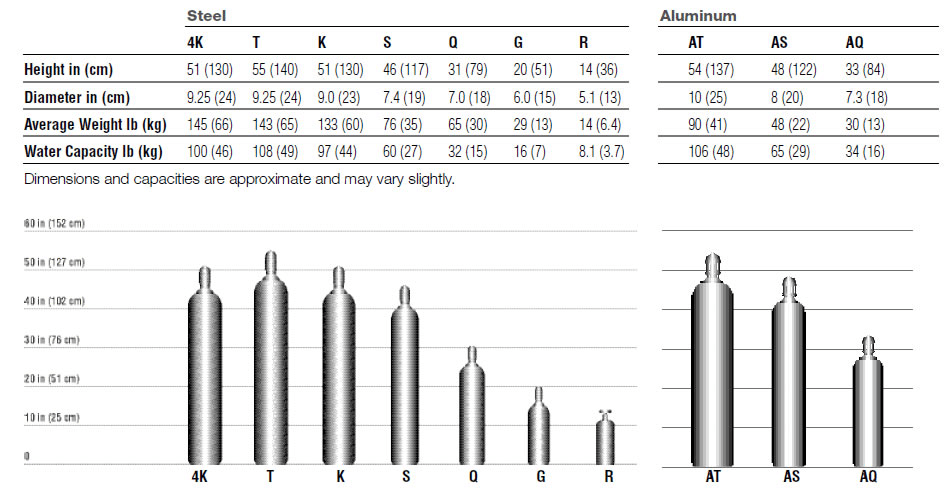
Industrial Gases Selection Guide: Types, Features, Applications ...
Linde Cylinder Size Chart | Resources – VQCKC
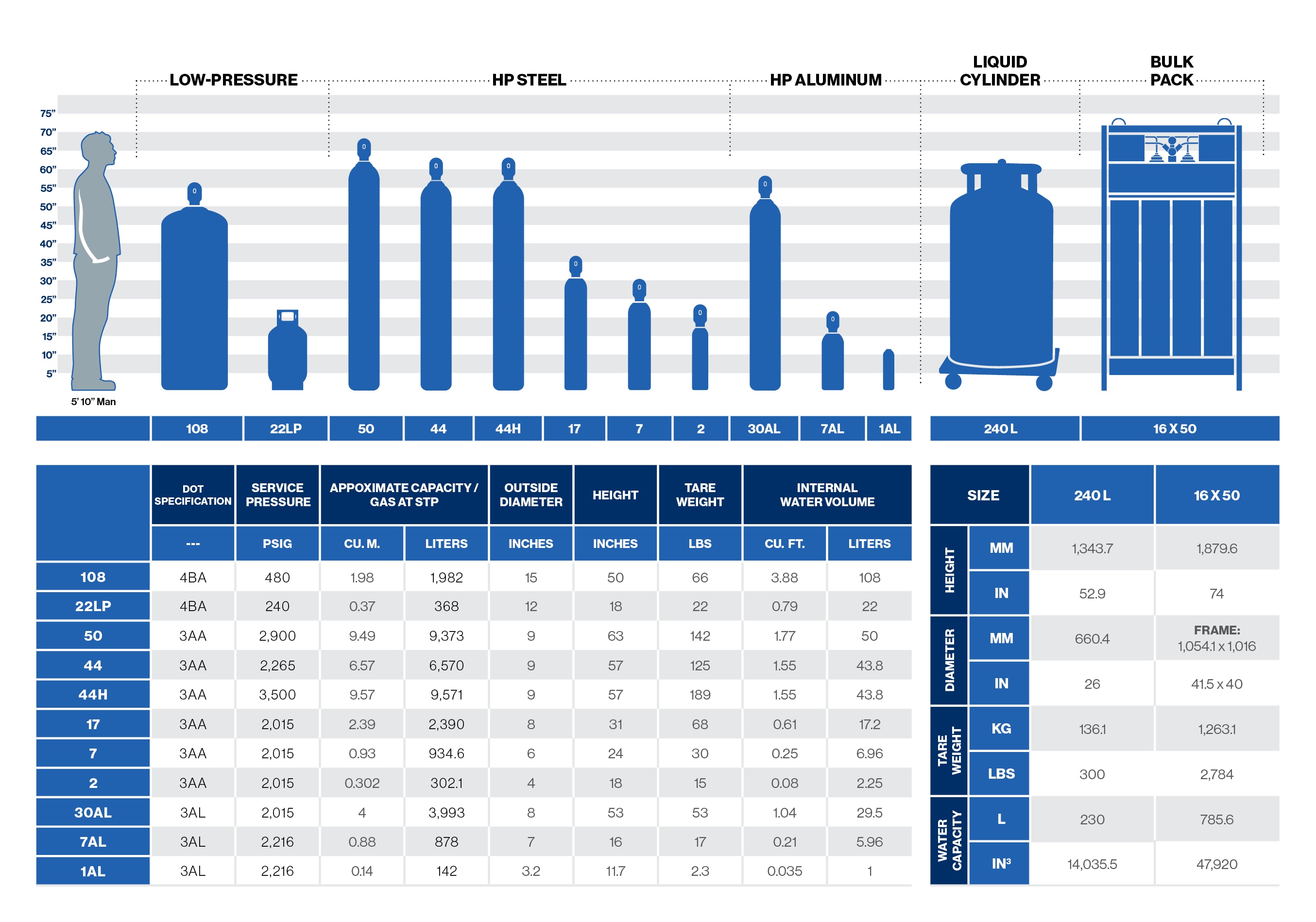
Linde Cylinder Size Chart | Resources – VQCKC
48ci / 3000psi Aluminum Compressed Air Tank - Black | HK Army
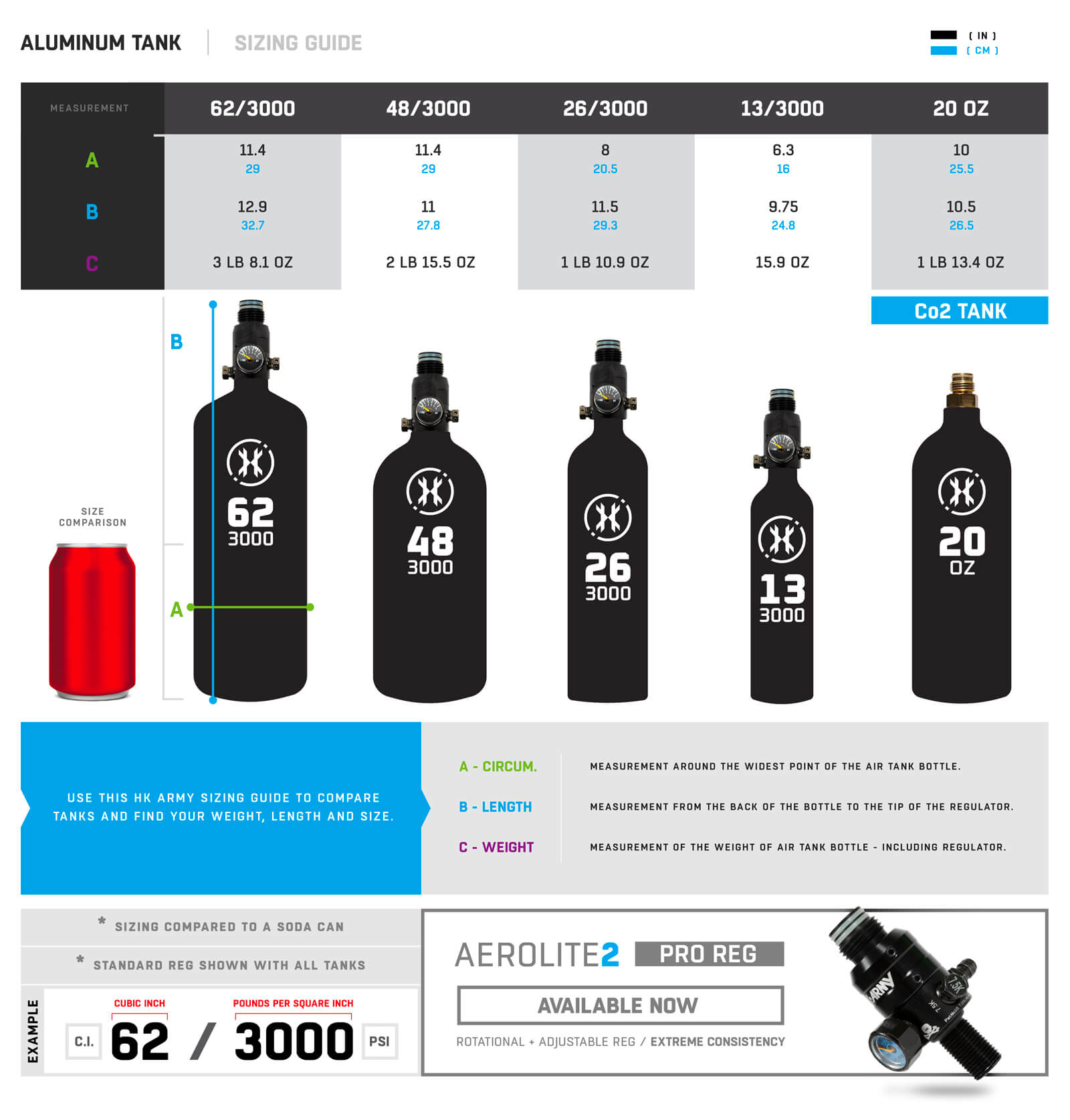
48ci / 3000psi Aluminum Compressed Air Tank - Black | HK Army