Heart Attack Warning Signs In Women: What Every Woman Needs To Know
When I first started learning about heart health, I was shocked to discover how differently heart attacks can present in women compared to what we typically see in movies or hear about in general conversations. The dramatic chest-clutching scene? That's not always how it goes for us. After talking with cardiologists, reading through research, and hearing from women who've been through it, I want to share what I've learned — because this information could genuinely save your life or the life of someone you love.
Do women really experience different heart attack symptoms than men?
Yes, and this is one of the most important things to understand. While chest pain is still the most common symptom for everyone, women are significantly more likely to experience what doctors call "atypical" symptoms. These can include nausea, jaw pain, back pain, extreme fatigue, and shortness of breath — sometimes without any chest discomfort at all. This is partly why women's heart attacks are more frequently misdiagnosed or dismissed, both by medical professionals and by the themselves. The American Heart Association has been raising awareness about this for years, and it's a gap in public knowledge that still costs lives today.
What doescomfort feel like for women during a heart attack?
For, chest discomfort during a heart attack doesn't always feel like a crushing intense pain. It might feel more like pressure, squeezing, fullness, or even a dull ache. Some women describe it as feeling like someone is sitting on their chest, while others say it's more of an uncomfortable tightness that comes and goes. The pain can also be less severe than what men report, which makes it easier to dismiss as indigestion or anxiety. If you feel any unusual sensation that lasts more than a few minutes or keeps coming and going, please don't ignore it.
Why do so many women report extreme fatigue before
This one catches a lot of women off guard. Unusual overwhelming fatigue — kind that makes you feel like you can barely get out of bed or do normal daily tasks — can actually be an early warning sign of a heart attack, appearing days or even weeks before the actual event. This happens because your heart is working harder to compensate for reduced blood flow, and your body is under stress. The challenge is that fatigue is incredibly common in women for many other reasons, from sleep issues to thyroid problems to just being overworked. That's why it's important to pay attention to fatigue that feels from your normal tired especially if it's accompanied by any other symptoms on this list.
Can shortness of breath be a heart attack warning sign even chest pain?
Absolutely and this surprises many people. Women can experience shortness of breath — feeling winded or unable to catch your breath — as a standalone symptom of a heart attack, without chest pain at all. This happens because when heart isn't pumping blood effectively, fluid back up in the lungs. You might feel breathless just lying down, climbing stairs, or doing something that normally wouldn't wind you If you suddenly find yourself struggling to breathe and you can't attribute it to a clear cause like asthma or allergies, it's worth taking seriously especially if it alongside any other warning signs.
What role does jaw neck, or back pain play in female heart attacks?
Pain in the jaw, neck, upper back, or shoulders is a well-documented but overlooked warning sign in women. It can like a dull ache, soreness, or even a sharp shooting pain in these areas. Many women initially attribute it to dental issues, a pulled muscle, or stress tension which is completely understandable. The reason areas are affected is that the heart shares nerve pathways with parts of the upper body, so pain signals can radiate in unexpected directions. If you experience unexplained jaw or upper back pain alongside any other unusual symptoms, please don't wait to get checked out.
Is nausea or stomach upset really a sign of a heart attack in women?
It really be, and this is one of the symptoms that delays women the most from seeking help. Nausea, vomiting, indigestion, or upset stomach can all accompany a heart attack, particularly in women. It's easy to brush off as something ate or a bug, but whenausea comes other symptoms like fatigue, shortness of breath, or kind of chest armcomfort, your body might be telling you something more serious. Women are two to three times more likely than men to experience nausea as a heart attack symptom, according to research published in the journal Circulation. Trust your gut literallyHow does anxiety of doom factor into heart attack symptoms? one is deeply personal for women who've survived heart attacks. A significant number of women report experiencing sudden overwhelming sense of anxiety dread, or what describe as a "feeling of doom" — a deep sense that something is terribly wrong — in the moments leading up to or during a heart attack. This isn't just psychological; it's your body's stress response activating as duress. Unfortunately, because are more frequently labeled as anxious or emotional medical settings, this symptom sometimes gets dismissed. know your body. If something feels profoundly wrong, advocate for yourself and insist on being evaluated
Are younger women at risk or is mainly a concern for older women?
This a dangerous misconception — attacks absolutely affect younger women, and the rates have been rising under 55 over the past decade. Conditions like polycystic ovary syndrome (PCOS), autoimmune diseases, pregnancy complications preeclampsia, and even migraines with aura can all elevate a woman's heart. Add in factors like smoking, diabetes, high blood pressure, and a sedentary lifestyle, and the picture becomes clearer. Many young women don't get taken seriously in emergency rooms because of assumption that heart attacks are "an older person's disease." Don't let age make you dismiss symptoms, and don't let a healthcare provider do to you eitherWhat should do if I think I'm having a heart attack?
Call 911 immediately — don't drive yourself and don't wait to if it gets better. While waiting for emergency services, sit down and rest, and if you're not allergic to aspirin and available, chew one regular aspirin (325 mg) or four low-dose aspirins (81 mg each). Aspirin helps by reducing blood clotting, which can slow the damage during a heart attack. When you speak responders or medical staff, be direct about all symptoms, even ones that seem minor unrelated. Women downplay their pain out of habit please don't. And if you feel you're not being seriously, keep advocating for yourself. You deserve proper, thorough care.
How can I reduce my risk of a heart attack as woman?
Heart disease is the leading cause of death in the United States, but it's also highly preventable with right lifestyle choices management. Regular cardiovascular exercise, a-healthy diet rich in vegetables, whole grains, and lean proteins, quitting smoking, managing stress, and keeping your blood pressure and cholesterol in check are all foundational steps. Talk to your doctor about your personal risk factors, especially if you've had pregnancy a family history of heart disease. Getting numbers checked — blood pressure, cholesterol, and blood sugar — is one of the most empowering things you can do for your long-term health. Knowing your body and recognizing these warning signs is the first and most important step of all.
...Frontiers | Climate Change And Salinity Effects On Crops And Chemical
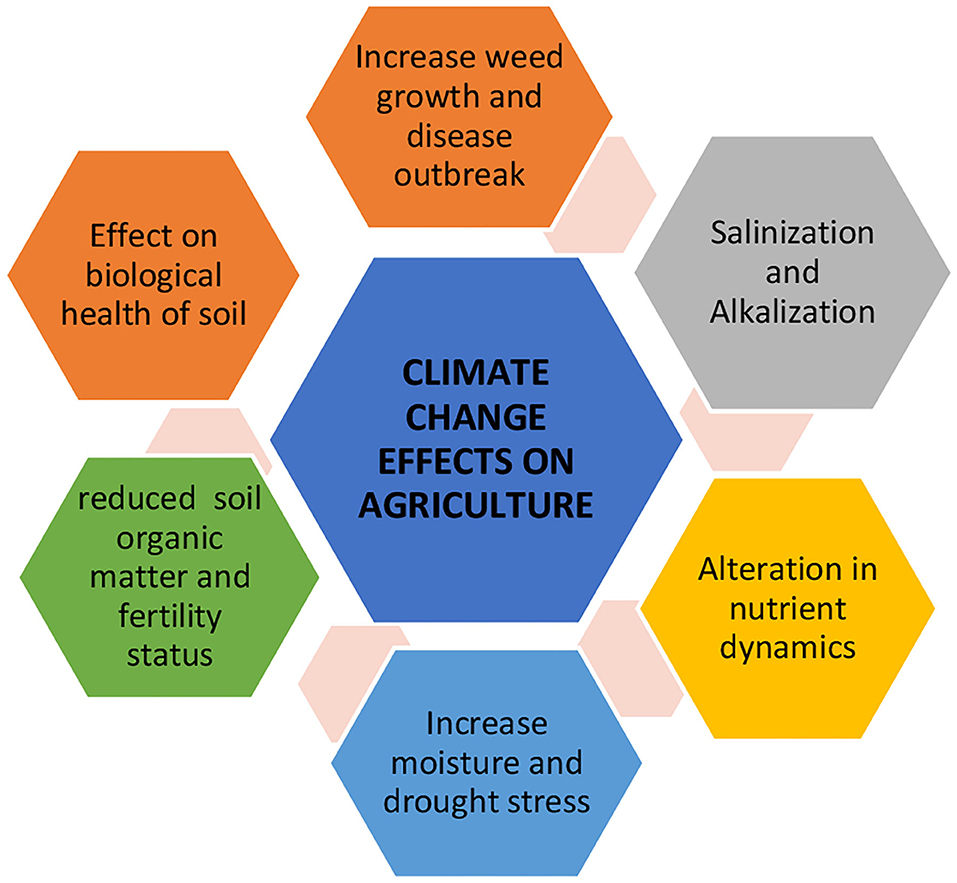
Frontiers | Climate Change and Salinity Effects on Crops and Chemical ...
Climate Change And Farming: Infographics Explain What You Need To Know
-403x403.jpg)
Climate Change and Farming: Infographics explain what you need to know ...
Frontiers | Narrow And Brittle Or Broad And Nimble? Comparing Adaptive
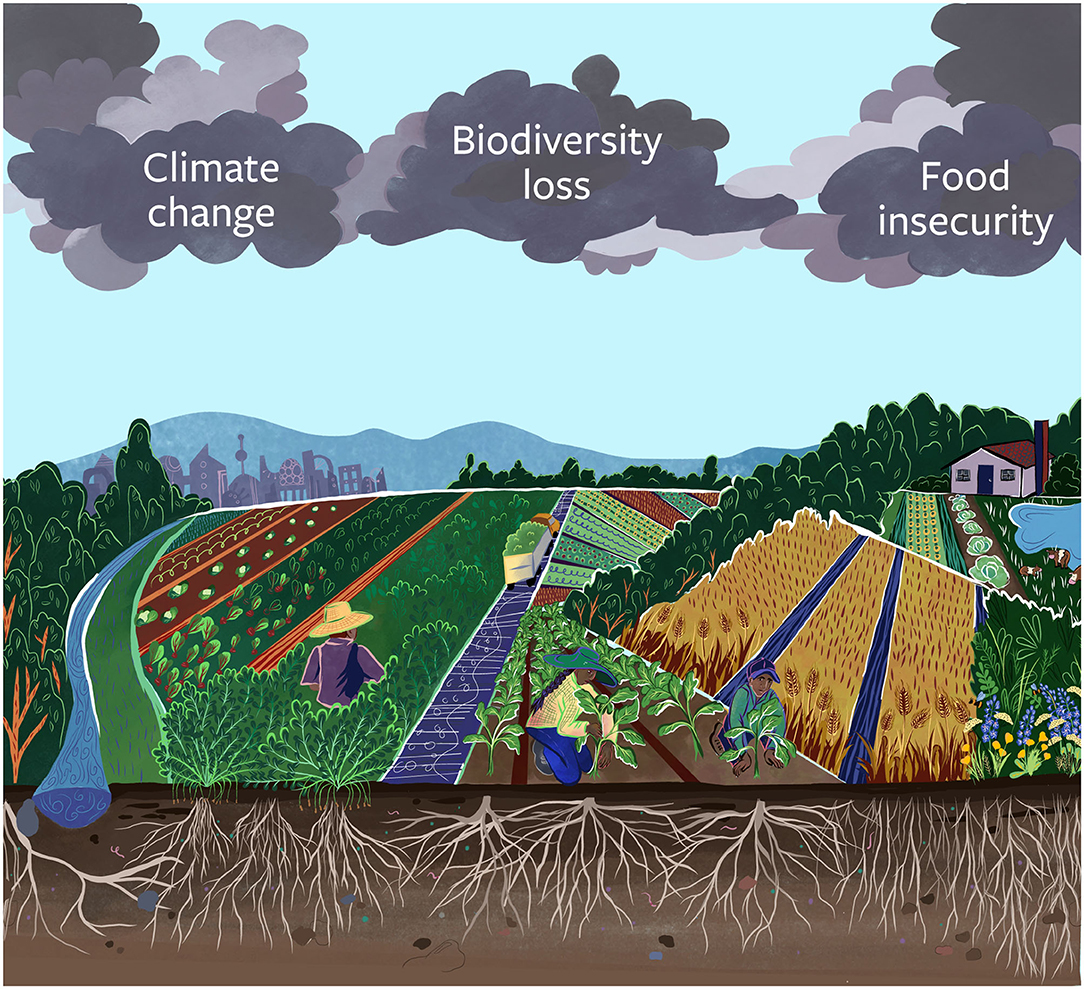
Frontiers | Narrow and Brittle or Broad and Nimble? Comparing Adaptive ...