Heart Attack Warning Signs: Your Complete Faq Guide To Recognizing Cardiac Emergencies
In the United Kingdom, heart attacks remain one of the leading causes of death, and understanding the warning signs can truly mean the difference between life and death. Whether you are looking out for yourself, an elderly parent, or a loved one, knowing what to watch for — and acting swiftly — is a form of deep care responsibility that resonates with many in our communities. This guide walks you through the most important questions about heart attack warning signs, presented in a clear practical way so you can feel prepared and confident when it matters most.
What is the most common warning sign of a heart attack?
The most widely recognized warning sign is chest pain or discomfort, often described as a tight, heavy, or squeezing sensation in the center or left side of the chest. Many people compare to feeling as though someone is sitting on their chest or gripping it tightly. This discomfort may last for several minutes or come and go in waves. However, it is important to understand that not all heart attacks present with dramatic chest pain, especially in women older adults, and people with diabetes. The NHS advises treating any unusual persistent chest discomfort as a potential emergency until proven otherwise.
Can heart attack occur without chest pain?
Yes, absolutely. This is a critically important point that many people overlook. A-called "silent heart attack" or with atypical symptoms is more common than most realize. Some individuals — particularly women, diabetics, and older adults — may experience heart attack with little to no chest pain at all. Instead, they might feel fatigue, shortness of breath, nausea, or simply general sense that something is not right. In UK, healthcare providers have been increasingly emphasizing awareness of these atypical presentations reduce delays in seeking emergency care.
What other symptoms besides chest pain should I watch for?
Beyond chest discomfort, there are several other warning signs you should never ignore. These include pain discomfort that radiates to the arms (commonly left arm), neck, jaw, back, or stomach. Shortness of breath — even without chest pain — is a significant warning. Cold sweats, lightheadedness, and sudden dizziness are also common signals A feeling of overwhelming anxiety or a sense of impending doom has been reported by many heart attack survivors the UK. Nausea and vomiting can also accompany cardiac events, particularly in and are often mistaken for digestive issues.
How do heart attack symptoms differ between men and women in the UK?
This is a question of great importance because many the UK have historically been undertreated for cardiac events due to differences in symptom presentation. Men are more likely to experience the "classic" crushing chest pain, while women tend to report symptoms such as extreme fatigue, shortness of breath, upper back pressure, jaw pain, nausea, and vomiting. Women may also feel pain in the neck shoulder rather than the arm. The British Heart Foundation has vocal about raising awareness of these gender differences to ensure receive timely diagnosis and treatment. If something feels wrong, do not dismiss it simply because it does not match the textbook description.
What should I do if I suspect someone is having a heart attack?
Time is absolutely critical in a cardiac emergency. The moment you suspect a heart attack, call 999 immediately — not drive yourself or patient the hospital unless absolutely necessary, as an ambulance can begin treatment on the way. While waiting for help to arrive, keep the person calm and seated a comfortable position, ideally resting against a wall knees bent. If person is conscious and not allergic to aspirin, giving them a300mg aspirin tablet chew —allow whole — can help slow blood clotting. If the person becomes unresponsive and stops breathing normally, be prepared to begin CPR. The faster medical is initiated, the greater the chance of survival and recovery.
Yes, and this is a source of confusion for many people. A panic attack, example, can produce tightness, rapid heartbeat, shortness of breath, and dizziness — that closely mimic those of a heart attack. However, it is never safe to assume that symptoms are "just" without proper medical evaluation. In the UK, doctors paramedics are trained to rule out cardiac causes before attributing symptoms to anxiety. If you are ever uncertain always err on the side of caution and seek help Worrying that you might seem dramatic is far less important than getting potentially life-saving assessment.
Are there long-term or warning signs that appear a heart attack?
Interestingly, some people experience warning signs days or even weeks before a major cardiac event. These can include unusual and persistent fatigue that not improve with rest, mild recurring discomfort, disturbed sleep, shortness of breath during activities were previously easy, and swelling in the legs or ankles. Some report feeling a general sense of being unwell without clear cause. While these signs alone are not diagnostic of impending heart attack, they warrant conversation with your GP especially if you have existing risk factors such as high blood pressure, high cholesterol, diabetes, or a family history of heart disease. Early review can make a significant difference.
Who is most at risk of a heart attack in the UK?
According to the NHS the British Heart Foundation, several factors raise the risk of heart attack. These include smoking, high blood pressure, high cholesterol, obesity, physical inactivity, type 2 diabetes, a family history of coronary heart disease, and older age. Men over 45 and women over 55 face increased risk. South Asian communities the UK — including people of Indian, Pakistani, Bangladeshi, and Sri Lankan heritage — are statistically at higher risk of coronary heart disease at a younger age compared to the general population, making awareness these communities especially vital Lifestyle choices, regular health screenings, and open conversations healthcare providers are key tools managing reducing this risk.
What is the difference between a heart attack and cardiac arrest?
These two terms are often used interchangeably, but they are medically distinct events. A heart attack occurs when blood flow to a portion of the heart muscle is blocked, usually by a clot, causing part of the muscle to begin dying. The typically conscious and experiencing symptoms. Cardiac arrest, on the other hand, is when the heart suddenly stops beating altogether, causing to lose consciousness and stop breathing. Cardiac arrest can be triggered by a heart attack, but it can also occur independently. Both life-threatening emergencies requiring immediate action In the case of cardiac arrest, CPR and use of an automated external defibrillator (AED) can be lifesaving while waiting for paramedics to arrive.
How can I reduce my risk of having
Prevention deeply meaningful act of self-care and for those who depend on you. In the UK, the NHS recommends a-healthy lifestyle that includes eating a balanced diet rich in fruits, vegetables, whole grains lean proteins while limiting salt, sugar, and saturated fats. Regular physical activity — least 150 minutes of moderate exercise per week — significantly reduces cardiovascular risk. Quitting smoking, moderating alcohol intake, maintaining a healthy weight, and managing stress through practices as mindfulness or gentle exercise all effective strategies. Regular health checks with your GP to monitor blood pressure, cholesterol, and blood sugar levels give you and your doctor the information needed to catch problems early and they become emergencies.
Robert The Doll Apology Letters
.jpg)
Robert The Doll Apology Letters
Testimonials & Apologies | Robert The Doll
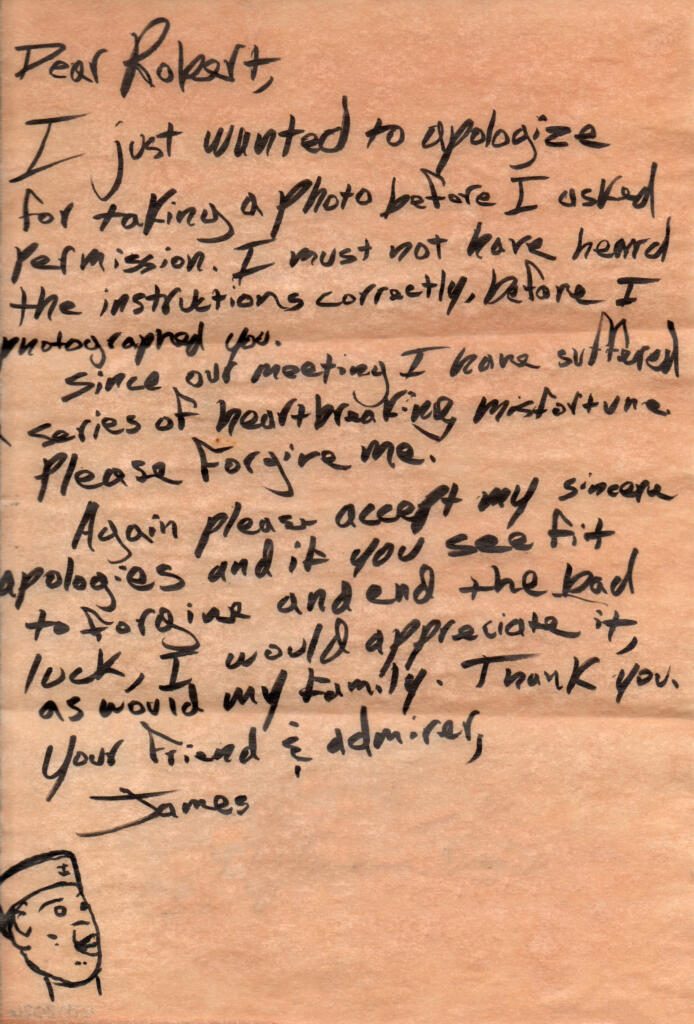
Testimonials & Apologies | Robert the Doll
Robert The Doll Apology Letters

Robert The Doll Apology Letters