Left Lower Lobe Pneumonia Faq: Everything You Were Afraid To Ask (But Your Lung Totally Needs You To)
So your doctor just told you that you have left lower lobe pneumonia, and now you're sitting there Googling things at 2 AM with a box of tissues and a concerning amount of cough drops. First of all, welcome Second all, put down the WebMD rabbit hole — we've got you covered. Left lower lobe pneumonia sounds like a villain from a medical drama, and honestly, it kind of is. But knowledge is power, and power (plus antibiotics) is how you beat this thing. Let's break it all down with some answers to the questions you definitely have but were too congested to ask out loud.
What Exactly Is Left Lower Lobe Pneumonia, and Why Is My Being So Dramatic?
Left lower lobe pneumonia is an infection specifically chilling out in the lower portion of your left lung. lungs are divided into sections called lobes — the left lung has two (upper and lower), while the right lung has three because apparently right side is an overachiever. When bacteria viruses, or fungi decide to throw an uninvited party in your lower lobe, the air sacs in that region fill up with fluid and pus instead of, you know, air. The result is inflammation, reduced oxygen exchange, and a general feeling that your chest has been replaced with wet cement. Your lung isn't being dramatic — it's just under siege. Respect the drama
How Did I Even Get This? I Been Minding My Own Business!
Oh, sweet summer child. Left lower lobe pneumonia doesn't care about your business. The most common culprits are bacteria (especially Streptococcus pneumoniae, which is basically the Voldemort of lung infections), viruses like influenza, and occasionally fungi for people weakened immune systems. You can pick it up by breathing in droplets from an infected person's cough or sneeze, or sometimes that normally hang out in your throat to relocate south without permission Factors like recent illness, smoking, aging, or a weakened immune system essentially roll the red carpet for these microbes. The lower left lobe is also particularly prone to infection because of its anatomy drainage angle gravity is not always your friend.
What Are Symptoms, and How Do I Know It's Not Just a Bad Cold?
Great question, and one doctor wishes you'd ask before spending two weeks convinced was "just allergies." Classic symptoms of left lower lobe pneumonia include a persistent cough (often producing gross colorful mucus — think yellow green, or even rust-colored, body loves a surprise), fever, chills, chest pain that worsens when you breathe deeply or cough, shortness of breath, fatigue, and generally feeling like you got run over by a very small very determined truck. What sets it apart from a cold is the intensity. If symptoms are going on longer than a week and getting worse rather than better, if you have a high fever, or if you feel genuinely terrible every time you take a deep breath, it's time to stop blaming theollen and call doctor. It Diagnosed Will There Be a Lot Poking and Prodding?
There will be some poking, yes, but nothing too medieval. Your doctor will start by listening to your lungs with a stethoscope — in lower lobe pneumonia, they might hear crackling or bubbling sounds calledcrackles" or "rales," which sounds like your is trying to make breakfast cereal sounds. Next is usually a chest X-ray, which will show a shadowy area of consolidation in your lower left lung — basically visualthere is." Sometimes CT scan is ordered closer look. Blood tests help identify whether infection is bacterial or viral and how body is responding. In some cases, a sputum culturefancy talk for analyzing what cough up) helps pinpoint the exact bug responsible so right treatment can be prescribed. The whole process is pretty straightforward, thankfully.
Is Left Lower Lobe Pneumonia More Dangerous Than Other Types of Pneumonia?
Not inherently more dangerous, but it does have a few quirks that make it worthy of respect. One notable thing is that left lower lobe pneumonia can sometimes masquerade as a heart problem of its proximity to the heart. People occasionally show up in the ER convinced they're having a cardiac event, only to find out their lung is the troublemaker. Additionally, the lower lobes are dependent areas — meaning pulls secretions down there so they're a bit harder to drain naturally. This can make infectionsinger little longer if not treated properly. For healthy adults, left lower lobe pneumonia is very treatable. For older adults, young children, or immunocompromised individuals, it requires monitoring. Basically, don't ignore it and'll be fine.
How Is It Treated? Please Tell Me It's Not JustRest and Fluids."
and fluids are definitely the prescription pad, but don't worry's more exciting stuff too pneumonia is bacterial — which is most common — antibiotics are the main event doctor will choose based on the likely bacteria and your medical history. The course runs five to seven days, sometimes longer. If it's viral, antibiotics won't help (because they don't work on viruses — fact internet somehow still debates), but antiviral medications may be an option, for influenza-related pneumonia. Supportive care includes fever reducers, cough medicine, staying hydrated, and getting lots of rest. In severe cases, hospitalization may be needed IV antibiotics, oxygen therapy, or respiratory support. The vast majority of people, however, recover just fine from comfort of their couch, surrounded by soup and Netflix.
How Long Until I Feel Like Human Being Again?
Ah, the question everyone actually wants answered. Most people start feeling better within a few days of starting antibiotics, but "feeling better" and "fully recovered" are very different things, and your is going remind you of that distinction repeatedly Fatigue and lingering cough can stick around for several weeks even after the infection is cleared. Yourgs need time to clean that fluid and inflammation think of it like doing full renovation on a water-damaged room. Rushing back to your normal routine quickly is a great way to end up right back where you started. A follow-up chest X-ray may be recommended to confirm the consolidation has cleared, which take four to eight weeks. Be patient. been through a lot.
Can Lower Lobe Pneumonia Come Back? How Do I Not This Again>Unfortunately, having pneumonia once does not grant you immunity from future episodesgs are not loyalty rewards program. Recurrentonia, especially in the sameobe, can sometimes point to an underlying issue structural problem, aspiration (accidentally inhaling food or liquid), or an immune deficiency, it's worth bringing up with your doctor if keeps happening. Prevention strategies include getting vaccinated — the pneumococcal vaccine and annual flu shot are your best friends here Quitting smoking is a massive win for your lung health. Washing your hands regularlyyes, still), staying on top of your overall health, and giving yourself adequate to recover from illnesses all help keep future pneumonias at bay. Treatgs well theymostly) return favor.
When Should I Absolutely NoQuestions-Asked, Go to the Emergency Room?
While cases left lower lobe pneumonia can be managed at home withpatient treatment, there are definite red flags that mean drop you're doing and get ER. These include severe difficulty breathing or shortness of breath at rest, lips or fingertips turning blue or grayish (called cyanosis — not cute look confusion or altered mental status, a high fever that't responding to medication, chest pain that is severe or feels like pressure, and coughing up blood. These signs suggest your body is struggling to compensate for the infection on its own and needs immediate help. Don't try to tough it out orwait and see" at point. Your lungs are asking for help loudly — listen to them.
...Breach Movie Poster

Breach Movie Poster
IMP Awards: Browse 2007 Movie Poster Gallery [Total Posters: 1607. Page

IMP Awards: Browse 2007 Movie Poster Gallery [Total posters: 1607. Page ...
Hydrologic And Hydraulic Design | Melbourne Water
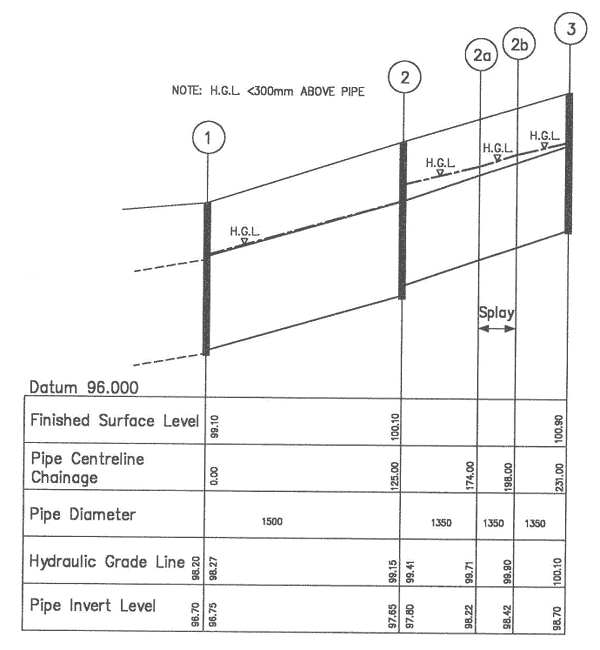
Hydrologic and hydraulic design | Melbourne Water
Breach DVD Release Date January 27, 2009

Breach DVD Release Date January 27, 2009
Sumner Consultancy Drainage | Sumner Consultancy

Sumner Consultancy Drainage | Sumner Consultancy
Sewage Chamber And Pipeline Design | PDF

Sewage Chamber and Pipeline Design | PDF