When I tested positive for COVID earlier this year, my first instinct was to search for what to actually expect. The information out there felt scattered, outdated, or written in clinical language that made everything feel scarier than it needed to be. So I put together this FAQ based on what I've learned, what doctors are saying, and what people 2025 are actually experiencing. Whether you just positive, you're feeling off and wondering if it's COVID, or you're just trying to stay informed hope this helps.
What the most common COVID symptoms in 2025?
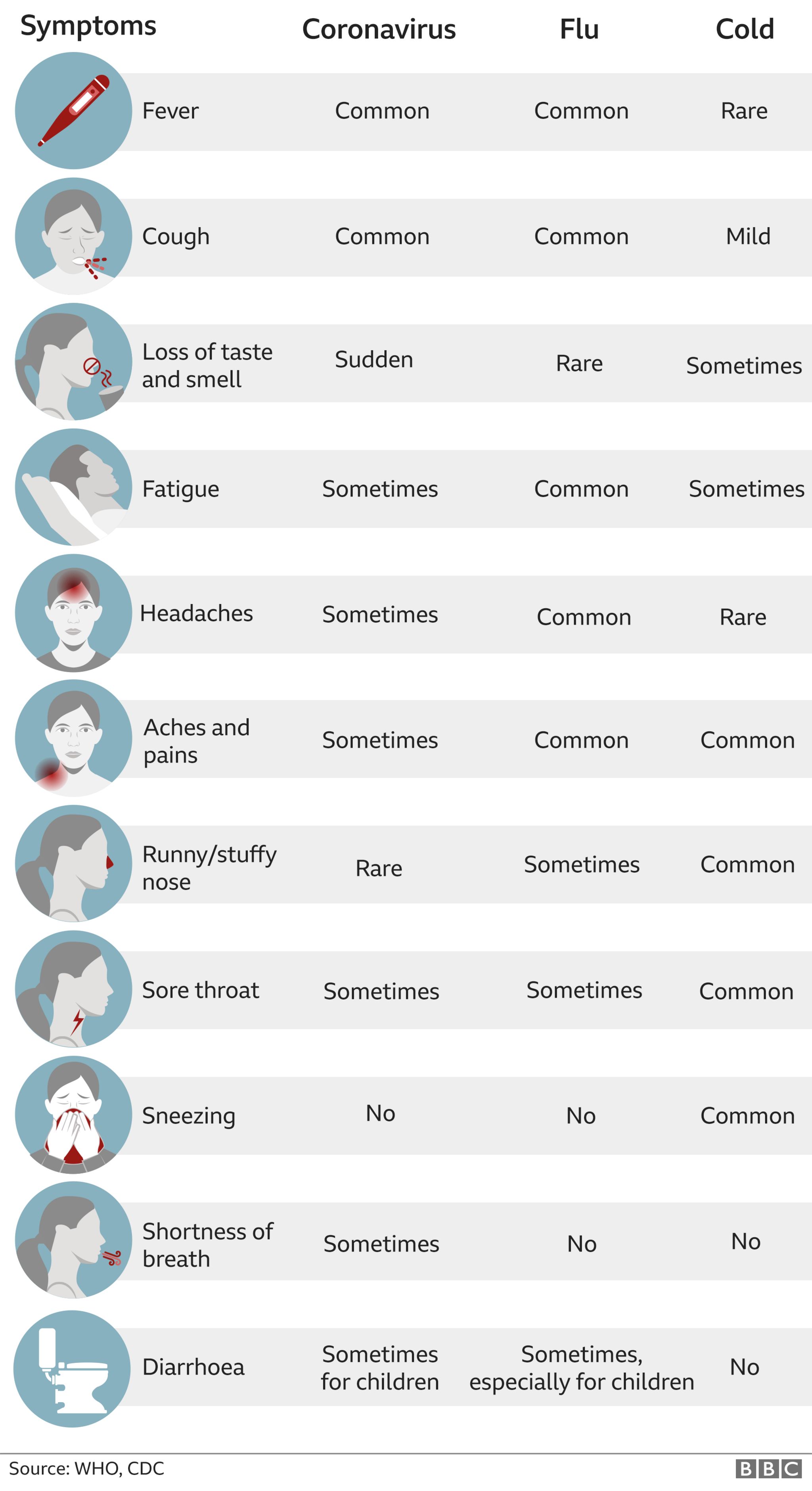
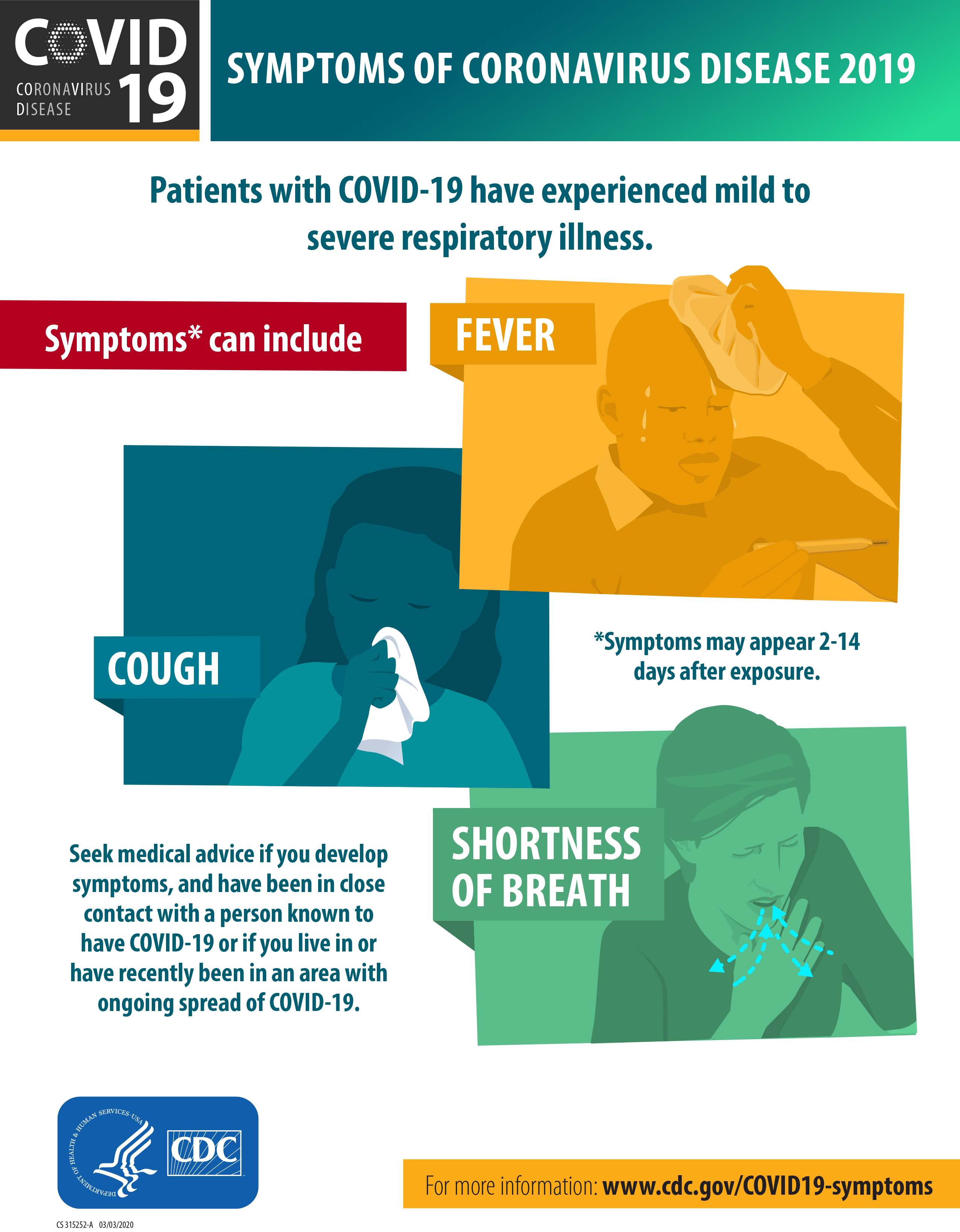
The dominant variants circulating in 2025 tend to produce symptoms that feel a lot like a bad cold or a mild flu. Most people I've talked to — I experienced myself — includes sore throat that hits early, fatigue that feels heavier than your typical tiredness, a runny or stuffy nose, headaches, and a low-grade fever. Cough is still the mix, but it's less prominent than it was in earlier waves. The classic "loss of smell taste" that defined 2020 2021 is now far less common, though some people still report it. overall picture 2025 is generally milder for vaccinated individuals, but that doesn't mean it's something just push through without rest.
How quickly do show up after exposure?
Based on current data and personal experience, symptoms usually show up somewhere between two and five days after exposure. Some people notice something is off as early as 24 hours after contact, while others don't feel anything until day six or seven. This incubation window is why it's still smart to monitor yourself for full week if you know you've been around someone who even if you feel completely fine in the couple of days.
Does COVID 2025 still cause fever
Yes, but it tends to be milder than what people experienced. A-grade fever in the range of 99°F to 101°F is pretty first two or three days. High fevers above 103°F are less common now, especially among who are up date on their vaccinations. That said, if your fever climbs high doesn't break after a few days with standard over-the-counter care, that's a signal to check in with a doctor rather than waiting it out at home.
Is fatigue still a big symptom in
Fatigue is honestly one of the most consistent symptoms I hear about it was one that caught me most off guard. It's not just being little tired — it's the kind of exhaustion where getting the couch feels like an achievement. For people it peaks around days two through four and then gradually lifts. The important thing to know is that pushing through it tends to backfire. Rest isn't just comfort advice; it genuinely affects how quickly your body clears the infection If fatigue lingers well beyond ten days, that could be an early sign of what some people call long COVID, and it's worth flagging to a healthcare provider.
Can have COVID in 2025 without fever?
Absolutely, and this trips lot of people up. A significant portion of COVID cases in 2025 present without any fever at all. You might a sore throat, some congestion, and feel generally run down — that are easy to dismiss as allergies or a common cold. This is why testing still matters if had known exposure or if symptoms linger longer than a cold would Assuming you're in clear just because you don't have a fever is of the more common ways people unknowingly spread the virus to others.
How long does COVID typically last in
For most healthy vaccinated adults, the acute phase of COVID in 2025 lasts about five to seven days. The three days tend to be the roughest, then slowly improve. A lingering cough or fatigue can stick around for another week or two after the worst of it passes. Children and younger adults often bounce back faster, sometimes three to four days. Older adults or with underlying health conditions may have a longer recovery window, and they should stay closer contact with their doctor throughout the illness>What symptoms should send me to urgent care or the ER?
Most cases in 2025 can be managed at home, but there are clear warning signs that mean you need medical attention right away. Difficulty breathing or shortness of breath that comes on suddenly is big one. Persistent chest pain or pressure, confusion or difficulty staying awake, lips or fingernails turning bluish, and a fever climbs above 103°F and won't come down are all reasons to seek emergency care. I know it can feel dramatic go the ER, but these symptoms indicate your body may not be handling the infection on its own, and getting evaluated make a real difference in outcomes.
Are there any new surprisingvariants
One thing that's come up more frequently with2025 variants is what calling "COVID throat" — an unusually intense sore throat that hits the first 24 hours and can feel almost strep-like. Some people also report significant ear pain or feeling of ear fullness early. Eye irritation and conjunctivitis have also been noted more often than in previous years Digestive symptoms like nausea, stomach cramping, and loose stools still up for some people, particularly the first couple of days. None of these are universal, but they're worth knowing about so't assume you're dealing with something else entirely when actual culprit.
Does in 2025 mean I should worry about long
It fair concern, and one worth taking seriously without catastrophizing. The risk of developing long COVID has decreased compared to earlier in the pandemic, largely due to higher rates of vaccination and immunity from prior infections. Research 2025 suggests that staying up to date on updated vaccines, resting properly during acute illness, and avoiding strenuous activity too soon in recovery all help reduce long COVID risk. Common COVID symptoms to watch for include persistent fatigue, brain fog, shortness of breath that doesn't resolve, and sleep disturbances lasting more than four six weeks after initial illness. If those linger, visit to your doctor — or a COVID clinic available near you — is absolutely right move.