Liver Disease In Dogs: Frequently Asked Questions About Symptoms, Causes, And Care
In many Asian households, dogs are cherished members of the family, and their health is taken with the same seriousness as any loved one. Liver disease in dogs is a condition that many pet owners may not recognize until it has already progressed. The liver is a vital organ responsible for detoxification, digestion, and metabolism, so when it begins to fail, the effects ripple through the entire body. Understanding the early and advanced symptoms can help you seek timely veterinary care and give your dog the best chance at recovery. Here is a comprehensive guide to the most commonly asked questions about liver disease symptoms in dogs.
What Are the Most Common Early Symptoms of Liver Disease in Dogs?
In early stages, liver disease in dogs can be subtle and easy to overlook. Many dog owners first notice a gradual loss of appetite, where their pet seems less interested in food than usual. Lethargy is another common sign, with dogs appearing more tired and less willing to engage in activities they once enjoyed. Mild vomiting or loose stools may also occur intermittently. Because these symptoms can resemble many other minor health issues, they are frequently dismissed. However, in Asian veterinary practice holistic pet care traditions, any persistent imbalance in energy or appetite is considered a signal worth investigating. If early signs persist for more than a few days, a visit to your veterinarian is strongly recommended.
What Is Jaundice and How Does It Appear in Dogs With Liver Disease?
Jaundice known medically as icterus, is one of the more recognizable signs of liver dysfunction It occurs when bilirubin, a yellow pigment produced during the breakdown of red blood cells, accumulates in the body because the liver can no longer process it efficiently. In dogs jaundice is visible in areas less pigmentation, such as the whites of the eyes, the gums, inner ears, and the skin of the belly. The yellowish discoloration can range from a pale lemon hue to a deep amber depending on the severity of the condition. If you notice any yellowing in your dog, this is considered a medical emergency and requires immediate veterinary attention.
Can Liver Disease Cause Changes in a Dog's Thirst and Urination?
Yes, and is a symptom that many pet owners find surprising. Dogs suffering from liver disease often drink significantly more water than usual, a condition called polydipsia. This is closely followed by increased urination, known as polyuria. plays a critical role in regulating various metabolic processes, and when it is compromised, hormonal imbalances and toxin buildup can disrupt normal fluid regulation. Some dogs may also produce urine that appears unusually dark or orange-brown color, which is a direct result of elevated bilirubin being excreted through the kidneys. Tracking your dog's water intake and bathroom habits is simple but effective way to catch these changes early.
What Is Hepatic Encephalopathy and What Does It Look Like in Dogs?
Hepatic encephalopathy is a serious neurological condition that develops when the liver can no longer filter toxins, particularly ammonia, from the bloodstream. These toxins travel to the brain and interfere with normal neurological function. Dogs experiencing hepatic encephalopathy may appear disoriented, walk circles, press their head against walls, or seem confused about their surroundings. Seizures can also occur in severe cases. Behavioral changes are another hallmark, including sudden aggression, excessive vocalization, or unusual clinginess. In traditional medicine perspectives, the liver is considered the organ connected to emotional balance and mental clarity, which aligns with the neurological disruption seen in this condition. Any sudden behavioral or neurological changes in your dog should be evaluated by a veterinarian without delay.
Does Liver Disease Cause Abdominal Swelling in Dogs?
Abdominal swelling, ascites, is a common complication of advanced liver disease. When the liver is severely damaged, it loses ability to produce adequate amounts of albumin, a protein that helps maintain proper fluid balance in the bloodstream. As albumin levels drop, fluid leaks out of the blood vessels accumulates in the abdominal cavity, causing the belly to appear bloated or distended. This can make it uncomfortable for dogs to lie down, breathe deeply, or move around freely may also lose muscle mass while abdomen grows larger, creating a distinctive pot-bellied appearance. Thisom generally indicates that the liver disease has reached a more advanced stage and requires prompt aggressive medical management.
Can Dog With Liver Disease Still Have Normal Appetite?
While appetite loss is common, it is not universal. In some cases, especially during the early or intermediate stages, dogs with liver disease may continue eating relatively normally. This diagnosis difficult owners may not feel urgency about a dog that still eats well. However, other subtle changes such as weight loss despite adequate food intake, a dull coat, or minor digestive irregularities may be present. The is responsible for processing nutrients, and even when a dog eats normally, poor nutrient absorption due to liver dysfunction can lead to gradual physical decline. Regular wellness checkups that include blood panel screening especially important for breeds to be predisposed to liver conditions such as the Shih Tzu, Maltese, Doberman Pinscher, and several others common in Asian householdsAre There Any Skin Coat Symptoms Associated With
The dog's skin and coat can reflect internal disease is no exception. Dogs with compromised liver function may develop a dull, dry, or brittle coat that lacks its usual luster. Excessivehedding is also possible In some cases, the skin may become itchy, leading to scratch more than usual even without presence of fleas or allergies. Thischiness,ically referred to as pruritus, can result from bile salt deposits in the skin that occur when bile flow is obstructed. In rare cases, small clusters of fluid-filled blisters may form on the skin, condition associated with a specific type of liver dysfunction superficial necrolytic dermatitis. Any skin changes that cannot be explained by external factors should be investigated alongside other potentialHow Does Liver Disease Affect a Dog's Stools?
Changes in stool consistency and color informative indicators of liver health with liver disease may produce pale, gray, or clay-colored stools because bile which gives feces its normal brown color, is not being properly secreted by the liver into the digestive tract. Conversely, stools may tar-black sticky, which can indicate internal bleeding in the gastrointestinal tract linked to liver-related complications such as clotting disorders. Loose, frequent stools or diarrhea are also commonly reported dogs with liver problems. Because the liver produces bile acids that are essential for fatestion, impaired liver function can lead to fatty greasy-looking stools that have anually strong odor. Consistently abnormal stools, when paired with other symptoms listed here, are a clear sign that veterinary testing is warranted.
When Should I Take My Dog to the Vet if I Suspect Liver Disease?
The answer: sooner rather than later. Liver disease is often referred to as a silent its early symptoms are vague and easy to attribute to other, less serious causes. However, because the liver has remarkable regenerative capacity caught early, timely diagnosis can make a significant difference in treatment outcomes. If your dog shows any combination of the symptoms discussed above, such as appetite loss, lethargy, vomiting, increased thirst, yellowing of the eyes or gums, behavioral changes, or abdominal swelling, schedule veterinary appointment as soon as possible. Diagnostic tools typically include blood tests to assess enzyme levels, urinalysis, ultrasound imaging, and sometimes liver biopsy. Early intervention with appropriate dietary changes, medications, and supportive care can help manage the condition and significantly improve your dog's quality of life.
Is It Safe To Keep A Gas Can In Your Trunk At James Fontanez Blog
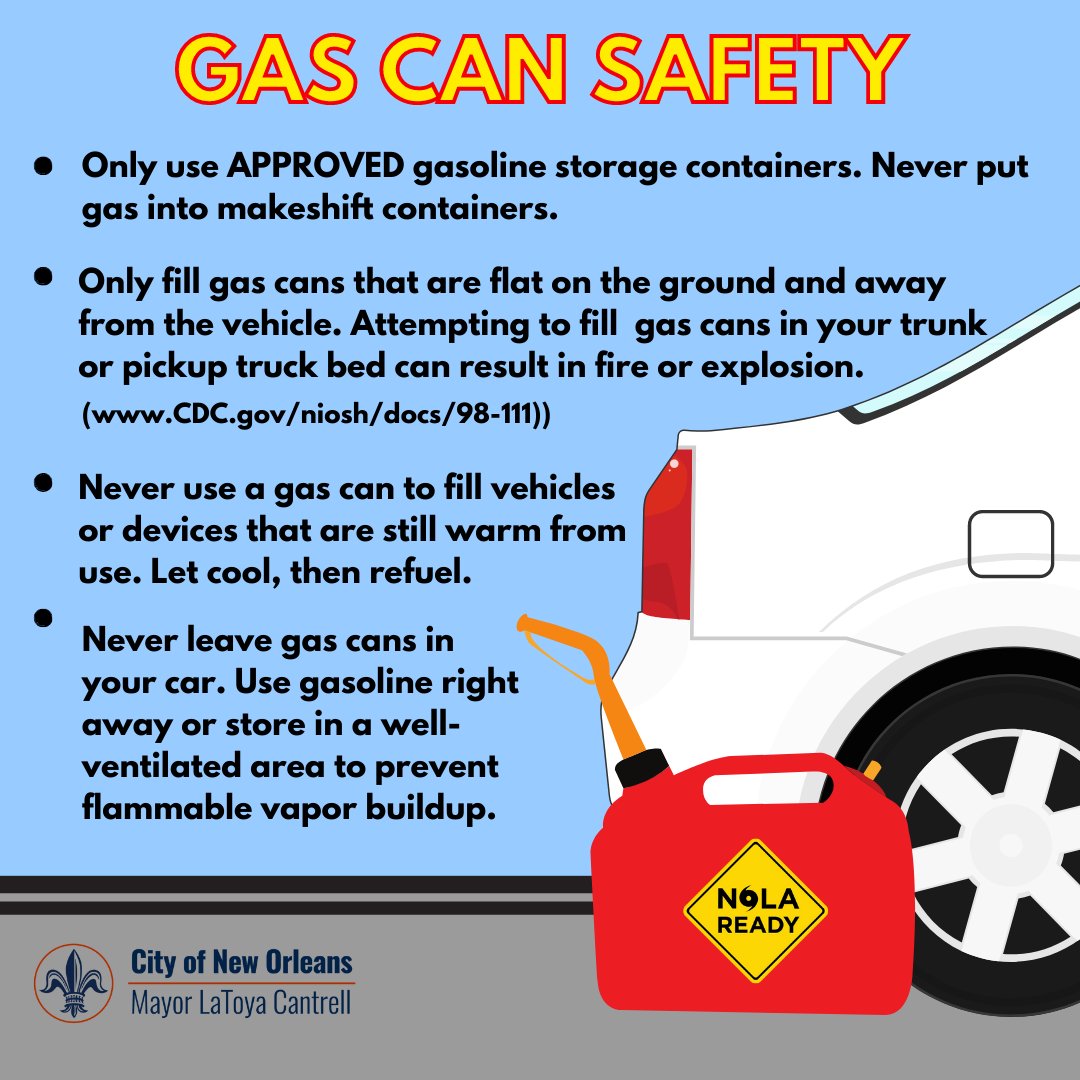
Is It Safe To Keep A Gas Can In Your Trunk at James Fontanez blog
How To Safely Transport Fuel Containers In Your Car

How to safely transport fuel containers in your car
Car Fuel System Diagram & Tank Anatomy: The Master Guide For DIYers

Car Fuel System Diagram & Tank Anatomy: The Master Guide for DIYers ...